10 Solar Panel Alternatives Tips for Global Buyers?

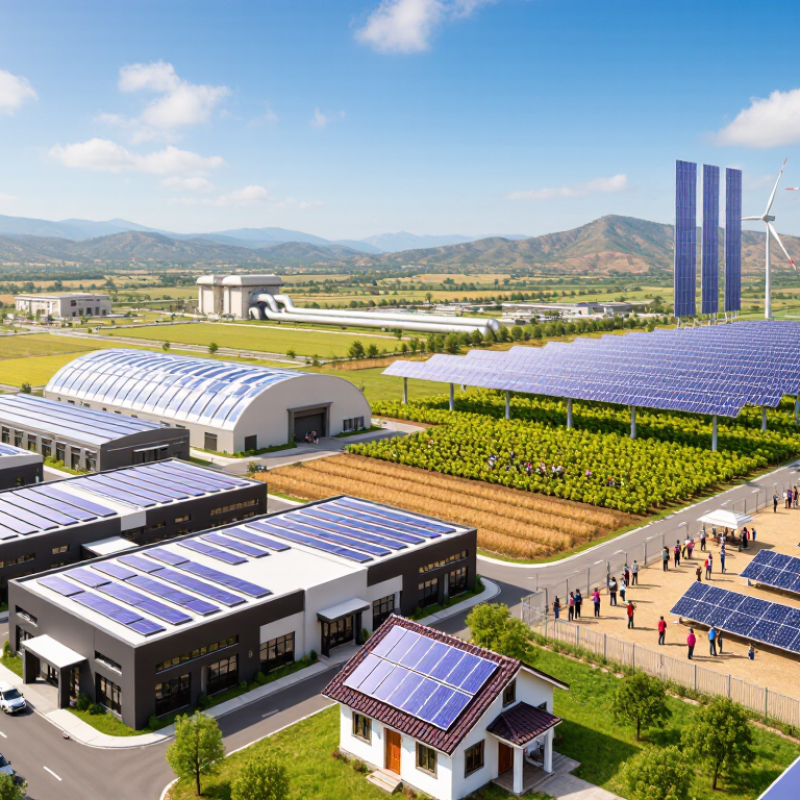
Global buyers are rethinking how solar power should look, work, and fit local conditions. Traditional rooftop panels remain important, but they are not suitable for every building, climate, or budget. The growing market for solar panel alternatives includes building-integrated photovoltaics, solar shingles, thin-film modules, agrivoltaic systems, community solar, and hybrid renewable projects.

The numbers support this shift. The International Renewable Energy Agency reported that global renewable capacity increased by 473 gigawatts in 2023. Solar energy contributed approximately 346 gigawatts, or nearly 73% of that growth. Meanwhile, the International Energy Agency expects solar PV to remain the largest source of new renewable capacity through 2030. These figures show strong demand, but they do not guarantee that one technology will suit every buyer. Roof weight, hail exposure, grid reliability, land availability, installation skills, and recycling access still matter.

Mark Z. Jacobson, a Stanford energy researcher, has said, “The main barriers to a clean energy economy are social and political, not technological or economic.” His observation is useful here. Choosing solar panel alternatives requires more than comparing efficiency percentages. A thin-film façade may perform better on a lightweight structure. A community solar subscription may help renters. Agrivoltaics may protect crops while producing electricity. Yet some options remain expensive, unfamiliar, or difficult to maintain. That uncomfortable detail matters. This guide examines ten practical choices, using cost, durability, performance, local infrastructure, and long-term reliability as essential buying tests.
10 Solar Panel Alternatives Tips for Global Buyers?

Understanding Solar Panel Alternatives and Their Practical Uses

Global buyers are no longer limited to standard crystalline-silicon modules. Thin-film panels suit curved roofs, portable systems, and lightweight structures. Building-integrated photovoltaics can replace façade glass or roof tiles, but repairs may become more complex. Solar thermal collectors provide hot water, not electricity. That distinction prevents poor energy estimates.

Practical selection starts with the site. Check roof weight, shading, wind exposure, temperature, and local maintenance skills. Agrivoltaic systems can share land with crops, although shading may reduce some yields. Small wind systems can complement solar in windy regions, while batteries improve evening reliability. IRENA’s Renewable Capacity Statistics 2024 recorded about 1,419 GW of global solar PV capacity at the end of 2023. Scale is impressive. Local suitability still matters more.

Buyers should compare lifetime output, not only rated watts. Review degradation data, fire certification, recycling access, replacement parts, and installer qualifications. The IEA’s Renewables 2024 report highlights solar PV as the largest source of new renewable capacity growth, yet supply-chain prices and grid delays remain practical risks. A cheaper alternative can fail financially if transport, permits, or specialist repairs are expensive. I would also question optimistic yield simulations; dust, humidity, and seasonal shadows are often underestimated. No option wins everywhere.

10 Solar Panel Alternatives Tips for Global Buyers

Understanding Solar Panel Alternatives and Their Practical Uses

The chart compares indicative midpoint efficiencies for ten solar-based alternatives. Thermal technologies usually deliver heat, while photovoltaic technologies generate electricity; therefore, the percentages should be used as practical reference points rather than as a direct ranking.

Buyers should select an option according to local sunlight, available space, climate, energy demand, installation skills, and whether the main requirement is electricity, hot water, heating, cooking, or water treatment. Actual performance varies with system design, temperature, orientation, and operating conditions.

Comparing Ten Renewable Energy Options for Different Buyer Needs

10 Solar Panel Alternatives Tips for Global Buyers?

Comparing renewable options starts with the buyer’s location, load profile, and maintenance capacity. Small wind turbines suit open, windy farms, but nearby trees can sharply reduce output. Microhydro systems provide steady electricity for properties with reliable flowing water. They need careful water-flow measurements and environmental permits. Geothermal heat pumps work well where buildings need year-round heating or cooling. Installation costs can be high, especially in dense urban ground conditions.

Biomass boilers can use certified wood waste for farms, workshops, and rural buildings. Their performance depends on dry fuel, storage space, and clean combustion. Biogas digesters fit livestock operations, turning manure into cooking gas or electricity. Solar thermal collectors can supply hot water with less electrical equipment than photovoltaic systems. Coastal buyers may consider tidal-stream or wave-energy devices, although equipment access and marine maintenance remain difficult. These technologies are promising, not universally practical.

Geothermal power serves regions with suitable underground heat, but exploration requires specialist surveys and substantial capital. Renewable hydrogen can support heavy transport or seasonal energy storage, yet conversion losses make it inefficient for many homes. Buyers should compare measured wind speeds, water flow, fuel availability, drilling conditions, and local grid rules. A low-cost system may become expensive after repairs, storage upgrades, or replacement parts. No option wins everywhere. A careful site assessment can prevent an attractive technology from becoming an awkward investment.

Evaluating Cost, Efficiency, Durability, and Maintenance Requirements

Choosing alternatives to standard solar panels requires more than comparing purchase prices. Solar shingles blend with roofs, but installation often costs more and repairs can be complex. Thin-film systems weigh less and perform better in weak light, although they need more roof area. Bifacial modules can increase output on bright, reflective surfaces. Portable kits suit renters and remote work, but their smaller batteries limit daily use. Community solar reduces household equipment costs, yet savings depend on local subscription terms.

Solar thermal collectors can heat water efficiently, especially in sunny regions. They usually require pumps, storage tanks, and periodic fluid checks. Small wind turbines may complement solar during cloudy seasons, but they need steady wind and careful noise assessment. Micro-hydropower can deliver reliable energy near flowing water, although civil work and permits may raise costs. Building-integrated systems save visual space, but replacing damaged sections can be difficult. Agrivoltaic installations share land with crops, while shading patterns may affect harvests.

From project assessments, I compare total ownership cost over ten years, not the invoice alone. This includes mounting, inverters, batteries, cleaning, inspections, and eventual disposal. Durability depends heavily on heat, salt air, hail, and installation quality. Efficiency figures also change with temperature and shading. Maintenance is rarely zero. A low-cost option may become expensive after one neglected failure. I still find some estimates uncertain, especially where weather data is limited, so buyers should request independent production records and written service conditions.

Adapting Alternative Energy Choices to Climate, Location, and Regulations

10 Solar Panel Alternatives Tips for Global Buyers?

Choosing an alternative energy system starts with the site, not the product catalogue. Solar thermal can heat water efficiently in sunny regions, while passive solar design uses windows, shading, and building orientation. Small wind turbines may suit exposed coastal or rural locations. They perform poorly near tall buildings. Micro-hydropower can provide steady output where a reliable stream has sufficient flow and elevation. Site measurements matter.

Geothermal systems offer stable heating and cooling, but drilling conditions and local permits can change costs sharply. Biomass boilers may use agricultural waste, although fuel storage, emissions controls, and supply consistency require careful planning. Biogas digesters can serve farms with suitable organic waste. Tidal and wave systems are options for selected coastal areas, yet marine corrosion and environmental reviews remain serious concerns. Battery storage improves reliability, but it does not generate energy. Energy efficiency upgrades, including insulation and efficient heat pumps, can reduce demand before generation is added.

Regulations differ widely between countries and even municipalities. Buyers should verify zoning rules, electrical standards, grid-connection procedures, water rights, noise limits, and protected-area restrictions. Certified installers and independent engineers can check resource data, structural safety, and expected maintenance. Ask for measured performance, not optimistic estimates. Some choices fail. A wind system may look attractive but produce little energy in turbulent air. A biomass system may become impractical when fuel prices rise. Climate records, seasonal demand, permitting timelines, and local technician access deserve equal attention. Mistakes are expensive. They are also avoidable when plans reflect real conditions.

Checking Suppliers, Certifications, Warranties, and Installation Support

10 Solar Panel Alternatives Tips for Global Buyers

Choosing solar panel alternatives, such as thin-film modules, solar tiles, flexible panels, or portable systems, starts with supplier verification. Ask for a registered business address, production capacity, recent project references, and traceable serial numbers. A video factory tour helps, but it is not proof enough. Independent inspection remains wiser. Request test samples when the project budget allows.

Check whether certificates match the exact model, not only the supplier’s product family. Documents should show applicable electrical safety and performance standards, such as IEC 61215 or IEC 61730 where relevant. Requirements differ between countries, so confirm them with local authorities or an experienced engineer. Some paperwork looks polished but lacks testing details. That should concern you.

Read product and performance warranties separately. Look for coverage periods, degradation limits, exclusions, claim procedures, and the party responsible for transport costs. Installation support should include layout drawings, mounting guidance, electrical diagrams, and responses during commissioning. Ask whether technicians can support your time zone. Get it in writing. A low purchase price may become expensive after one unclear installation mistake. I have seen buyers focus on efficiency while ignoring roof loading, spare parts, and replacement access. That choice deserves a second look before payment.

X
Solinso-gdpr
Privacy Overview

This website uses cookies so that we can provide you with the best user experience possible. Cookie information is stored in your browser and performs functions such as recognising you when you return to our website and helping our team to understand which sections of the website you find most interesting and useful.