7 Tips for Choosing Aesthetic Solar Panels

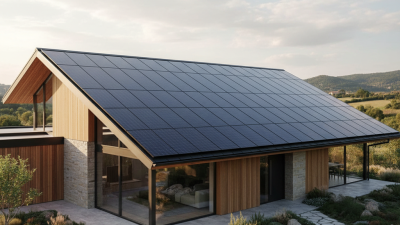
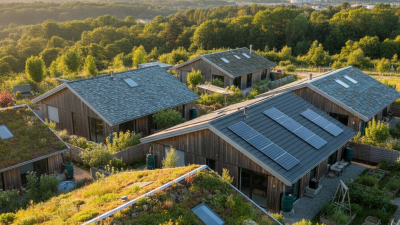
Solar power is no longer limited to bulky blue modules and visible rooftop wiring. Today, homeowners can choose aesthetic solar panels that resemble dark slate, blend with terracotta roofs, or form nearly invisible building-integrated surfaces. The visual improvement matters, but appearance should never replace engineering judgment.

The IEA PVPS Trends 2024 report records more than 1.4 terawatts of solar photovoltaic capacity worldwide. That scale signals a mature industry, yet product quality still varies widely. IRENA’s Renewable Power Generation Costs in 2023 report found that utility-scale solar electricity costs fell by about 90% between 2010 and 2023. Lower costs have expanded consumer choice, but they can also encourage rushed comparisons based only on price or appearance.

Look beyond the showroom roof. Check power output, temperature coefficients, fire ratings, inverter compatibility, warranty terms, and installer experience. NREL research commonly places typical module degradation near 0.5% annually, although real-world performance depends on climate, installation quality, shading, and maintenance. A panel that looks elegant beside a chimney may underperform if afternoon shadows cross its cells.

Small details matter.

Review independent certification, not only marketing language. Ask for measured efficiency, product documentation, and local project references. Some stylish modules sacrifice output for a uniform appearance; that trade-off may be reasonable, but it should be deliberate. This guide offers seven practical tips for choosing aesthetic solar panels while balancing roof character, long-term energy yield, safety, and verified performance. Even experts can misjudge a complex roof. That is why careful site assessment remains essential.
7 Tips for Choosing Aesthetic Solar Panels

Define Your Home’s Aesthetic and Solar Design Requirements

Before comparing solar panel colors or finishes, define your home’s visual language. Walk around the property and study the roof from the street, garden, and upper windows. Note the roof pitch, tile color, window frames, gutters, and visible hardware. Photograph the roof in morning and afternoon light. A panel that blends beautifully at noon may look harsh later. Light changes everything.

Translate your style into measurable solar requirements. A modern home may suit dark, low-reflective panels with narrow gaps and concealed wiring. A traditional home may need careful alignment with existing tiles and roof lines. Ask a qualified installer about power output per square meter, panel dimensions, mounting height, and inverter placement. Confirm structural capacity, fire access, and local electrical requirements. Request technical drawings, not only attractive computer images. Small details matter.

Leave room for compromise. A fully black surface may look elegant, yet some finishes absorb more heat or cost more without improving performance. Shading from a chimney, tree, or neighboring building can affect the best layout. Request a seasonal shading study and compare it with your aesthetic preferences. It is easy to overvalue appearance. I would also question any design that hides maintenance access completely. Clean lines are appealing, but technicians still need safe working space. A sample panel on the roof can reveal reflections and color differences that a brochure cannot.

Compare Panel Colors, Finishes, Shapes, and Frame Styles

7 Tips for Choosing Aesthetic Solar Panels

Compare Panel Colors, Finishes, Shapes, and Frame Styles

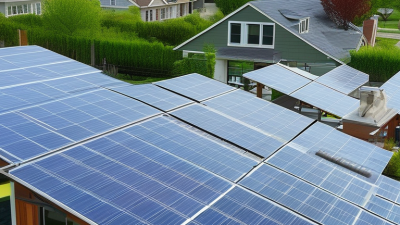
Start with the roof, not the showroom. A charcoal panel may blend beautifully with dark tiles but appear harsh against warm terracotta. Request daylight samples, because indoor lighting hides subtle color differences. Check the panel surface from the street, where reflections and spacing become more noticeable.

Choose a finish that suits local weather. Matte surfaces usually reduce distracting glare, while glossy finishes can look sharper but reflect nearby windows. Dust, salt, and pollen also change the appearance between cleanings. Ask an experienced installer how often your roof may need washing. This detail is easy to overlook. It should not be.

Panel shape affects visual rhythm. Full-size rectangular panels create clean lines on broad roofs. Smaller formats may fit dormers, narrow sections, or complex roof edges better. Measure visible gaps carefully. Uneven spacing can make an expensive installation look accidental. Sometimes, fewer panels create a calmer design than filling every available space.

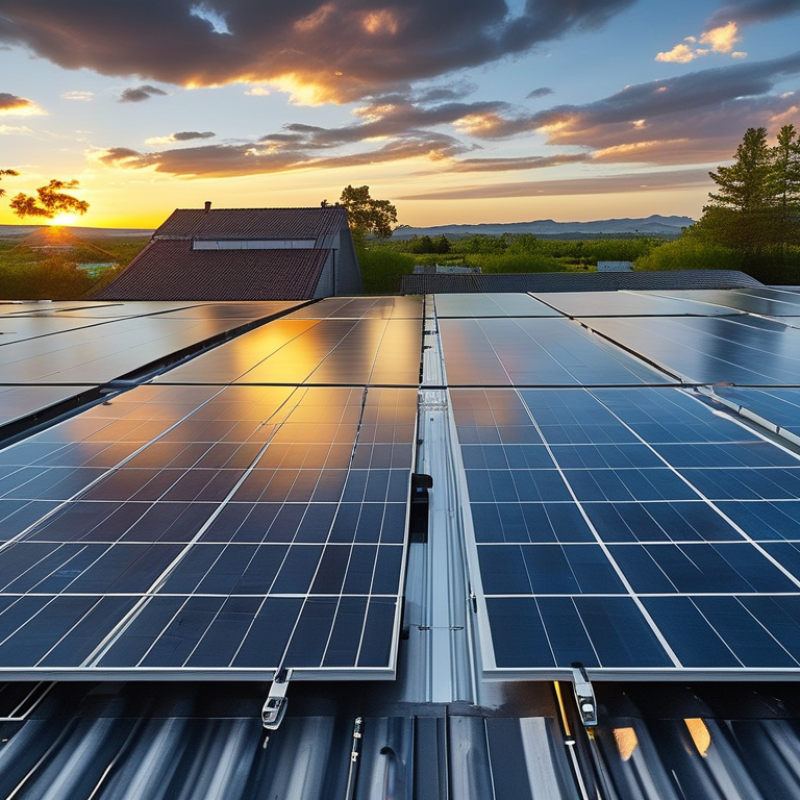
Frame color deserves equal attention. Black frames often create a unified, modern surface. Silver frames can suit light roofs and traditional architecture, though they may stand out more. Compare frame edges with gutters, vents, and window trim. Also inspect mounting hardware, because exposed brackets can interrupt the design. Aesthetic choices should not compromise ventilation, access, or safe installation practices. Ask for a layout drawing before approving the final arrangement.

Evaluate Roof Compatibility, Placement, and Visual Balance

7 Tips for Choosing Aesthetic Solar Panels

Evaluate Roof Compatibility, Placement, and Visual Balance

Tip 1: Inspect the roof before choosing panel size. Check its age, slope, surface condition, and load capacity. A roof with cracked tiles or weak framing may need repairs first. Tip 2: Study the roof from the street. Dark panels can blend with charcoal shingles, while contrasting frames may draw unwanted attention. Tip 3: Map shade carefully. Chimneys, dormers, trees, and nearby buildings can create moving shadows throughout the day. Morning sunlight is not enough evidence.

Tip 4: Keep panel lines aligned with the roof geometry. Even small shifts can look careless beside straight gutters or roof edges. Tip 5: Protect visual balance. A compact, centered layout often looks calmer than maximum coverage. More panels are not always better. Tip 6: Leave practical space around vents, ridges, and access paths. Crowding may complicate maintenance and future roof work. Local installation rules should also be checked by a qualified professional.

Tip 7: Request a scaled layout before installation. View it from the driveway, upper windows, and neighboring sightlines. In field assessments, digital previews can miss real shadows and surface texture. I once favored perfect symmetry, but the layout felt artificial beside an uneven roof. That was a useful correction. Ask a licensed installer or structural engineer to verify the final design, especially when roof materials, wind exposure, or drainage patterns are unusual.

Check Efficiency, Durability, Warranty, and Maintenance Needs

7 Tips for Choosing Aesthetic Solar Panels

Tip 1: Check efficiency under real conditions, not only laboratory ratings. Shade, heat, roof direction, and dust can reduce daily output. A higher rating helps, but it does not guarantee better results on every roof.

Tip 2: Inspect durability details. Look for strong tempered glass, a corrosion-resistant frame, and tested resistance to wind, rain, hail, and temperature changes. Ask for testing documents instead of trusting attractive photographs.

Tip 3: Match the panel design with your roof. Dark frames and consistent cell patterns often create a cleaner appearance, but hidden wiring also matters. Small visual gaps can become surprisingly noticeable.

Tip 4: Read the warranty carefully. Separate product coverage from performance coverage, then check what actions may cancel protection. A long warranty sounds reassuring, though unclear exclusions deserve attention.

Tip 5: Confirm maintenance needs before installation. Ask how often panels require cleaning, how easily technicians can access them, and whether nearby trees may cause frequent buildup. I once underestimated dust around a rural roof; the lost output was not dramatic, but it was avoidable.

Tip 6: Compare performance decline over time. Reliable specifications should explain expected annual degradation, not simply promise “lasting quality.” Numbers matter here.

Tip 7: Request an installer’s maintenance plan and inspection schedule. Good guidance should include cable checks, mounting inspections, and safe cleaning methods. Be cautious when advice feels overly perfect. Seasonal conditions, roof age, and local weather can change the practical answer.

Select a Qualified Installer and Confirm the Final Design

Aesthetic solar panels should look intentional, not like equipment placed in haste. The installer shapes that result as much as the panel itself. Choose a qualified contractor with current licensing, relevant electrical credentials, insurance, and documented solar experience. Ask who will inspect the roof, prepare drawings, and handle required permits. A trustworthy team should explain load calculations, fire access, drainage, and local setback rules in plain language. Request recent projects with similar roof angles and visible workmanship. Check references carefully. A polished portfolio can hide rushed installation details.

Before signing, request a final design package, not just a sales rendering. It should show panel rows, equipment locations, cable routes, roof penetrations, and sightlines from the street. Review the drawing at ground level and from nearby windows. Ask how shadows, roof repairs, vents, and future maintenance may change the appearance. Small details matter. Dark rails may blend better, but only when ventilation and safety clearances remain compliant. Confirm the exact panel dimensions, frame finish, mounting method, and color before installation begins. Even careful plans can miss a vent or misjudge afternoon glare. That is not a disaster, but it deserves a written revision. Do not approve from memory. Have the installer mark the array on the roof or provide a scaled overlay. Compare it with the signed proposal. This extra check feels slow, yet it prevents expensive visual surprises.

7 Tips for Choosing Aesthetic Solar Panels - Select a Qualified Installer and Confirm the Final Design

Tip Selection Dimension What to Check Useful Benchmark or Evidence Design and Installation Benefit
1 Panel Appearance and Color Compare the panel frame, backsheet color, cell pattern, grid lines, and visible hardware. Request a daylight photograph or physical sample before approval. Dark modules generally create a more uniform appearance, while frame and mounting colors can create visible contrast. Actual appearance varies with roof material, viewing angle, and sunlight. Helps the array look intentional and coordinated with the roof, façade, gutters, and other exterior elements.
2 Roof Layout and Symmetry Check roof dimensions, setbacks, vents, skylights, dormers, valleys, ridges, and required access paths. Ask for a scaled layout rather than a simple panel count. The final arrangement must follow local fire-safety, building, and electrical requirements; required clearances differ by jurisdiction and roof configuration. Balanced rows, consistent edges, and deliberate spacing can reduce visual clutter while preserving code-required access.
3 Panel Efficiency and Available Area Compare rated power, efficiency, physical dimensions, temperature coefficient, and expected annual production—not efficiency alone. Higher-efficiency modules can provide more capacity in a limited roof area, but energy output also depends on orientation, shading, weather, system losses, and maintenance. Supports a compact design when roof space is constrained and can help avoid filling visually prominent roof sections unnecessarily.
4 Visibility of Cables and Hardware Ask how conduit, junction boxes, rapid-shutdown equipment, roof attachments, and cable clips will be routed and concealed. Electrical equipment must remain accessible and installed according to applicable electrical codes; concealment must never compromise safety, inspection, or maintenance. A planned cable route and consistent hardware placement create cleaner rooflines and reduce the chance of visible, unsupported wiring.
5 Shading and Roof Orientation Review shading from trees, chimneys, neighboring structures, and roof features throughout the year. Confirm which roof planes are included in the production estimate. Shading changes with the sun’s position and season. A production estimate should state its assumptions and account for orientation, tilt, shading, and system losses. Prevents visually prominent panels from being placed where shading may reduce performance and supports a more efficient overall layout.
6 Installer Qualifications and Workmanship Verify relevant licenses, insurance, training, inspection history, references for similar roofs, written scope of work, and responsibility for permits and utility approvals. Licensing and permit requirements vary by location. A qualified installer should provide documentation and follow applicable building, electrical, structural, and fire-safety requirements. Professional installation improves alignment, waterproofing, cable management, safety compliance, and the long-term appearance of the system.
7 Final Design Approval and Documentation Before signing off, review the scaled roof plan, equipment locations, panel orientation, setbacks, conduit route, production estimate, structural assumptions, permit documents, and change-order terms. The approved design should match the contract and permit submission. Any change in panel location, equipment, wiring, or roof penetrations should be documented and approved in writing. Ensures the installed array matches the agreed visual concept, avoids surprise equipment placement, and creates a clear record for inspection and future maintenance.

Note: Exact design, clearance, licensing, structural, electrical, and permitting requirements depend on the property location and applicable local regulations. Always confirm the final plan with the responsible qualified installer and the relevant authority.

X
Solinso-gdpr
Privacy Overview

This website uses cookies so that we can provide you with the best user experience possible. Cookie information is stored in your browser and performs functions such as recognising you when you return to our website and helping our team to understand which sections of the website you find most interesting and useful.