Why Are Clean Energy Homes Better for Global Buyers?
When global buyers compare properties, energy performance increasingly shapes the decision. A home with solar panels, strong insulation, and efficient heating can offer more than modern appeal. It may reduce exposure to volatile energy prices and improve comfort during extreme weather. These practical benefits matter in cities, coastal regions, and rural communities alike.
Clean energy homes can also support more informed international investment. Buyers should examine energy certificates, system warranties, installation records, and local maintenance options. A rooftop solar system may perform differently in northern Europe than in a bright Mediterranean market. Battery storage, heat pumps, and smart controls also require qualified installation and regular servicing. Small details matter. Shading from nearby buildings can reduce solar output. Poor insulation can weaken an otherwise impressive design. Reliable evidence should replace attractive marketing claims.
Affordability remains complicated. Energy savings can help offset higher purchase costs, but payback periods depend on climate, tariffs, financing, and household use. Property taxes and local building standards may also influence the final return. Buyers should consult independent inspectors and regional energy professionals before committing. That step protects both confidence and capital. Still, no home is perfectly sustainable. Materials, construction emissions, and replacement parts deserve attention too. This broader view makes the discussion more credible, not less positive. For global buyers, the strongest choice is not simply a house with green technology. It is a well-documented home that performs reliably, suits its location, and remains practical for everyday life.
What Defines a Clean Energy Home?
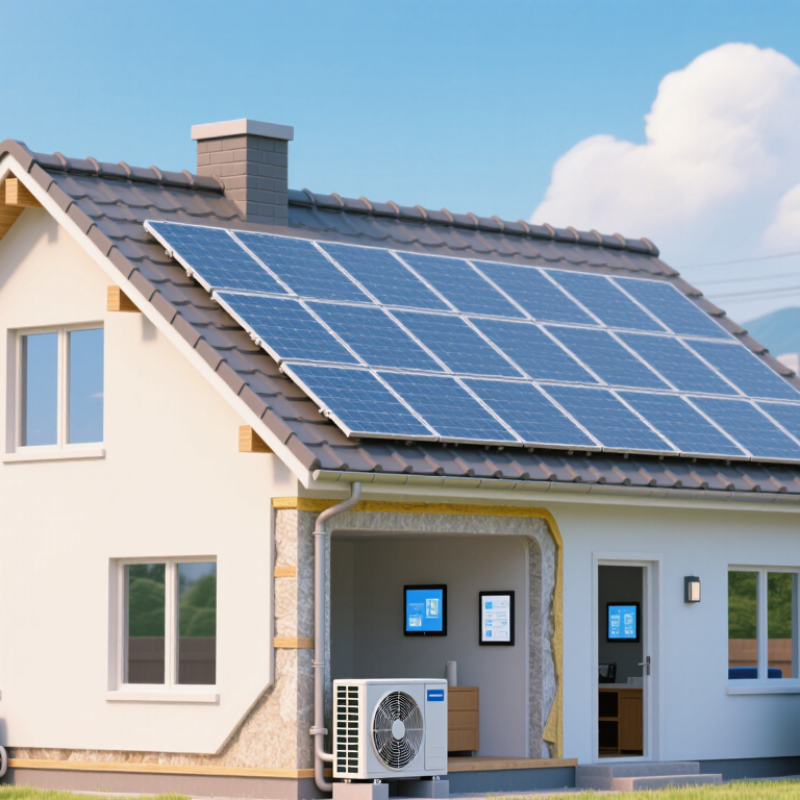
A clean energy home is not simply a house with solar panels. It is designed to use less energy, waste less heat, and rely more on low-carbon power.
The International Energy Agency reported in 2023 that buildings consume about 30% of global final energy and produce 26% of energy-related emissions. That makes the home itself an important climate decision.
Strong insulation, sealed windows, efficient ventilation, and electric heating define the foundation. A heat pump can deliver two to four times more heating energy than the electricity it uses, according to the U.S. Department of Energy.
Rooftop solar, battery storage, smart meters, and efficient appliances can improve resilience, especially where grids face outages. Yet the definition is not perfect. Materials, local weather, construction quality, and electricity sources also matter. A large solar system cannot excuse poor insulation.
Tips:
Ask for measured energy performance, not attractive promises. Check annual energy use, insulation values, heating-system efficiency, and the origin of electricity. The International Energy Agency also stresses that building renovation must accelerate sharply to meet climate targets. Look closely at maintenance needs and battery replacement costs. A home may look clean but perform poorly. That uncomfortable gap deserves attention.
How Clean Energy Homes Reduce Environmental Impact
Clean energy homes can reduce environmental impact from daily household operations. Solar panels generate electricity without burning fuel on the property. Heat pumps can also provide heating and cooling with less energy than many conventional systems. This may lower emissions, especially where the local electricity grid is becoming cleaner. Energy audits often reveal another benefit: better insulation reduces drafts, dampness, and wasted power.
Clean energy is not completely impact-free. Manufacturing panels, batteries, windows, and insulation requires minerals, energy, and transportation. A careful buyer should consider product lifespan, repair options, and disposal plans. These details are sometimes ignored. That is a weakness in many green property claims. Reliable assessments should use measured energy data, not only attractive labels or estimated savings.
Tips:
Check the home’s annual energy records. Ask whether solar output changes by season. Inspect insulation around windows, roofs, and doors. Prefer durable materials with clear maintenance guidance. Compare local grid emissions before estimating environmental benefits. Small choices matter.
A lower-impact home also supports healthier everyday habits. A shaded room may stay cooler in summer. A smart meter can make evening energy use visible. Rainwater controls can reduce pressure on local drainage systems, when regulations allow them. However, technology cannot replace responsible behavior. Leaving lights, heating, or cooling systems running still wastes resources. Global buyers should question broad promises and seek independent inspection reports. The best decision may be the home with fewer impressive features, but stronger evidence and easier long-term care.
Why Clean Energy Homes Benefit Global Buyers
Why Are Clean Energy Homes Better for Global Buyers?
Clean energy homes can make international property ownership more practical. They often use rooftop solar, efficient insulation, heat pumps, and smart energy controls. These features can reduce exposure to unstable utility prices. They may also support comfort during hot summers or winter power interruptions.
For global buyers, operating costs matter as much as the purchase price. A home using less electricity can be easier to manage from another country. Remote monitoring may show unusual consumption, water leaks, or equipment faults. That information helps an owner arrange maintenance before a small problem becomes expensive. Still, savings depend on climate, tariffs, shading, and system age. The payback is not always quick.
Check the evidence carefully. Request recent utility bills, equipment records, installation permits, and independent inspection results. Confirm that solar systems meet local building and electrical rules. Battery storage also needs safe placement and qualified servicing. Energy certificates can help, but they should not replace a physical inspection. In my experience, attractive efficiency claims sometimes hide poor ventilation or neglected maintenance. Buyers should ask who will repair the systems after closing. Local technicians, spare-part access, and warranty transfer rules can strongly affect long-term value. A smaller, well-documented system may be wiser than a larger one with uncertain performance.
What Factors Should Buyers Consider Before Purchase?
Buying a clean energy home requires more than checking solar panels on a listing. Ask for measured energy use, not promised savings. The International Energy Agency reports that buildings consume about 30% of global final energy. Insulation, window quality, ventilation, and heating systems therefore deserve careful inspection. A bright roof does not prove a good home.
Climate changes the calculation. In a hot region, buyers should examine shading, cooling efficiency, and battery performance during heatwaves. In colder areas, air sealing and heat-pump capacity matter more. The U.S. Department of Energy notes that air leakage can account for a significant share of household heating and cooling loss. Request blower-door results, equipment warranties, and recent utility records. They reveal more than decorative technology.
Costs also need a wider lens. Compare purchase price, installation quality, maintenance, insurance, property taxes, and local electricity rates. The National Renewable Energy Laboratory’s life-cycle research shows that system value depends heavily on climate, energy prices, and equipment life. Check whether permits, ownership rights, and grid-connection rules are transferable. They may not be. Embodied carbon matters too; the United Nations Environment Programme reports that buildings and construction remain responsible for roughly 37% of global energy-related emissions. I would also inspect battery ventilation and emergency procedures personally. A lower bill is not guaranteed. Some estimates are too optimistic.