What Are Smart Energy Homes?

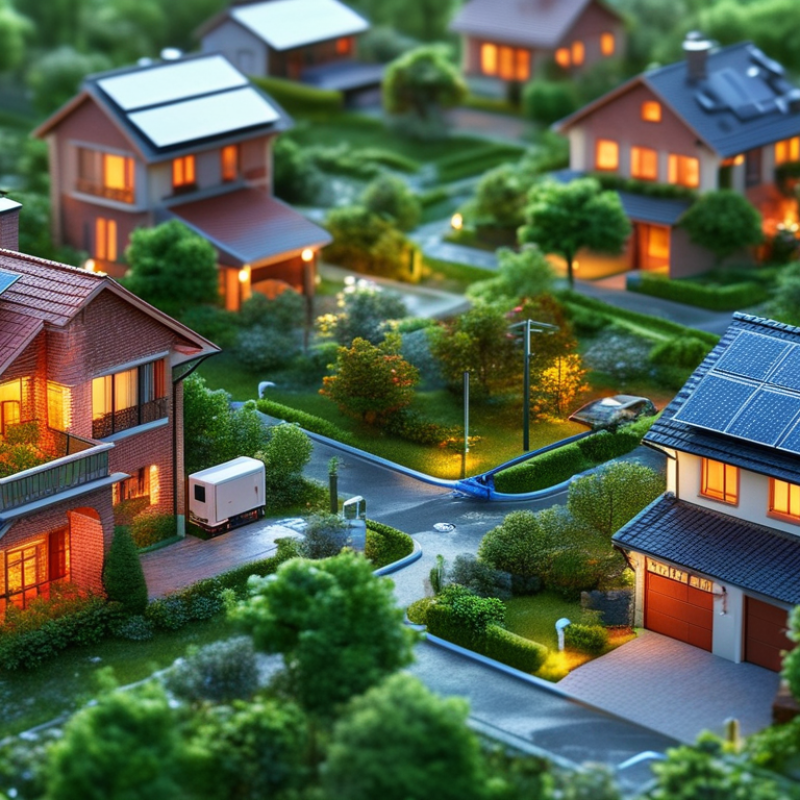
A smart energy home uses connected technology to manage electricity, heating, cooling, and water more intelligently. It may combine rooftop solar panels, a home battery, smart meters, heat pumps, and automated appliances. These systems share information instead of working separately. A thermostat can lower heating when nobody is home. A battery can store midday solar power for evening cooking, lighting, or electric-vehicle charging.

Dr. Fatih Birol, Executive Director of the International Energy Agency, describes energy efficiency as “the first fuel.” That idea helps explain smart energy homes. They do not only generate cleaner power. They also reduce waste through better timing, monitoring, and control. A household might run its washing machine when solar production is highest. It could also respond to changing electricity prices without constant manual adjustment. Small decisions matter.

The technology is promising, but the label is not perfect. A connected home can still waste energy if its settings are poorly designed. Sensors may misread occupancy. Software may confuse residents. Upfront costs can also exclude families with limited budgets. These weaknesses deserve attention, not marketing language. A reliable smart energy home should provide clear energy data, strong privacy protections, practical controls, and measurable savings. Its success should be judged in real rooms, during cold nights and summer heat, rather than only in product demonstrations. This guide examines how smart energy homes work, what equipment they require, and where their benefits may fall short.
What Are Smart Energy Homes?

Definition and Core Features of Smart Energy Homes

What Are Smart Energy Homes?

Definition and Core Features of Smart Energy Homes

A smart energy home uses connected devices, sensors, and software to manage electricity intelligently. It measures demand, adjusts equipment, and supports cleaner energy choices. The goal is not simply automation. It is better timing, lower waste, and stronger household control.

According to the International Energy Agency’s Energy Efficiency 2023 report, buildings consume about 30% of global final energy. Smart homes can address part of this demand through automated heating, cooling, lighting, and water systems. Smart meters show consumption in short intervals. Sensors can detect an empty room or an open window. A home energy management system may then reduce unnecessary heating. Solar generation, battery storage, and electric vehicle charging can also respond to changing grid conditions. These features require reliable data protection and professional installation. Convenience alone is not enough.

Tips: Start with an energy audit. Check insulation before buying connected devices. Set temperature schedules around real occupancy. Review monthly data, not just daily changes. Do not assume every automated setting saves energy. Some systems consume standby power, and poor settings can increase costs. The design may look impressive, yet the results still need honest measurement.

What Are Smart Energy Homes?

Smart energy homes use connected sensors, automated controls, efficient appliances, on-site generation, and energy storage to monitor and manage electricity use. The chart shows the approximate share of U.S. residential site energy consumption by end use, highlighting the main loads that smart energy features can optimize.

Source: U.S. Energy Information Administration, Residential Energy Consumption Survey, 2015. Values are rounded percentages.

How Smart Energy Homes Generate and Store Power

What Are Smart Energy Homes?

How Smart Energy Homes Generate and Store Power

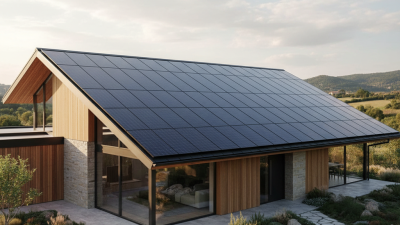
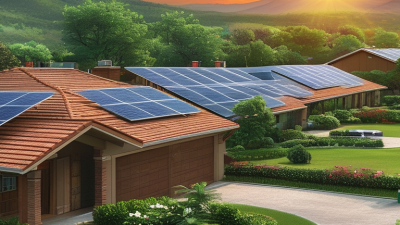
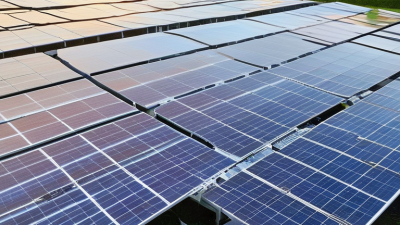
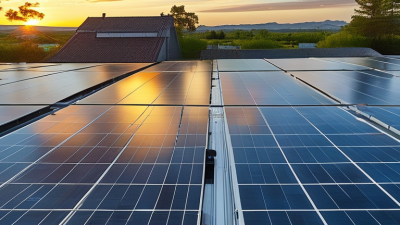
A smart energy home produces electricity close to where it is used. Rooftop solar panels convert sunlight into direct current. An inverter changes it into usable household power. During bright hours, the system can run appliances, heat water, or charge an electric vehicle.

Extra electricity does not need to disappear. A home battery stores it for evening cooking, nighttime lighting, or short power interruptions. A controller monitors production, battery levels, weather forecasts, and household demand. It may delay laundry until solar generation rises. Small decisions can reduce pressure on the grid.

The system is not magic. Batteries lose capacity over time, and cloudy weather lowers solar output. A qualified installer must calculate wiring, ventilation, fire protection, and local electrical requirements. Meters also need accurate settings. Otherwise, the home may export power when it should be charging the battery.

Safety comes first. Always use certified equipment and professional inspection. A sensible design keeps emergency reserves instead of draining the battery completely.

It should also allow manual control when software fails. That detail matters. A smart home should remain understandable to the people living inside it. Monthly energy data can reveal wasted power, although the first readings may be confusing and imperfect.

Home Energy Management Systems and Connected Devices

What Are Smart Energy Homes?

Home Energy Management Systems, or HEMS, connect meters, sensors, appliances, batteries, and heating equipment. They collect usage data and adjust devices according to household routines, weather, and electricity prices. A dashboard may show a sudden evening spike from water heating or cooling. That detail makes energy waste easier to see and verify.

The International Energy Agency reports that building operations represent about 30% of global final energy consumption and 26% of energy-related emissions. HEMS can address this demand by shifting flexible loads away from peak periods. The U.S. Energy Information Administration’s 2020 Residential Energy Consumption Survey found that space heating used 42% of household energy, while water heating used 19%. These figures explain why temperature sensors, smart thermostats, and connected water heaters matter. Small controls can influence large loads.

The system is not magic. It can misread occupancy, lose connectivity, or respond poorly to unusual weather. A sensor near a sunny window may report a comfortable room incorrectly. That weakness matters. Reliable installations need clear permissions, secure networks, manual overrides, and regular data checks. Households should also compare measured savings with the baseline from the U.S. Department of Energy’s energy-saving guidance, rather than trusting an attractive app estimate. Automation helps most when people understand what it changes. Sometimes, a simple schedule works better than a complicated one.

Benefits of Smart Energy Homes for People and the Environment

What Are Smart Energy Homes?

Benefits of Smart Energy Homes for People and the Environment

A smart energy home uses sensors, connected meters, and automated controls to manage electricity, heating, cooling, and water. It responds to weather, occupancy, and changing electricity prices. A home might lower heating when rooms are empty, then warm them before residents return. This approach makes energy use visible rather than mysterious. The International Energy Agency reports that buildings consume about 30% of global final energy and create 26% of energy-related emissions.

For residents, the benefits can be practical. Automated controls may reduce wasted energy, improve indoor comfort, and lower monthly bills. The U.S. Department of Energy notes that smart thermostats can help households save up to 10% on heating and cooling costs. However, actual savings depend on insulation, local weather, equipment condition, and user habits. A poorly insulated home may need better windows before smarter software.

The environmental value grows when smart homes shift demand away from carbon-intensive hours. They can coordinate electric heating, water heating, and battery charging with cleaner electricity periods. The IPCC estimates that building-sector demand measures could reduce emissions substantially by 2050. Yet connected devices also require materials, electricity, and secure data systems. Savings are not automatic. Frequent alerts can annoy people, and complicated settings may discourage participation. I would question any system that promises perfection while ignoring comfort, privacy, or repairability.

What Are Smart Energy Homes? - Benefits of Smart Energy Homes for People and the Environment
Dimension Smart Energy Home Feature Measured Data or Typical Finding Benefit for People Benefit for the Environment
Energy Management Connected monitoring, automated controls, and real-time energy feedback Energy use can be tracked by time, appliance, or operating condition. Helps residents identify waste, understand bills, and make informed energy decisions. Lower energy demand reduces the amount of fuel required for electricity generation.
Heating and Cooling Programmable or learning thermostats with occupancy and temperature sensors Certified smart thermostats are designed to provide an average heating and cooling bill saving of about 8%, according to the U.S. Environmental Protection Agency. Maintains more consistent indoor temperatures while reducing unnecessary heating and cooling. Reduced HVAC operation can lower energy consumption and associated greenhouse-gas emissions.
Lighting LED lighting combined with occupancy, daylight, and scheduling controls LED bulbs use at least 75% less energy and last up to 25 times longer than incandescent bulbs, according to the U.S. Department of Energy. Reduces electricity bills, replacement frequency, and maintenance effort. Lower electricity use reduces power-generation emissions and material waste from frequent replacements.
Standby Power Smart plugs, automatic power schedules, and remote shut-off controls Standby power can account for approximately 5% to 10% of residential energy use, according to the U.S. Department of Energy. Prevents connected devices from consuming electricity when they are not needed. Reduces avoidable electricity consumption without requiring changes to essential services.
Peak Demand Automated load shifting for water heating, laundry, charging, and other flexible loads Flexible appliances can be scheduled outside high-demand periods; the actual reduction varies by household and utility program. May lower time-based electricity costs and reduce pressure on the local power network. Helps reduce the need for high-emission peaking power plants during periods of maximum demand.
Renewable Energy Home solar generation paired with smart inverters, energy monitoring, or battery storage Solar electricity produces no direct combustion emissions during operation. Can increase energy independence and provide limited backup capability when paired with suitable storage. Replaces some electricity generated from fossil fuels and can reduce operational carbon emissions.
Electric Vehicles Scheduled or managed vehicle charging Charging can be shifted to periods of lower demand or higher renewable electricity availability. Supports convenient charging while helping residents manage electricity costs. Managed charging can reduce peak demand and improve the use of renewable electricity.
Water Conservation Leak-detection sensors, smart shut-off valves, and usage monitoring Household leaks waste nearly 10,000 gallons of water per year on average, according to the U.S. Environmental Protection Agency. Provides early warnings, helps prevent property damage, and can reduce water bills. Conserves treated water and reduces the energy used for pumping, treatment, and heating.
Indoor Air Quality Air-quality sensors connected to ventilation, filtration, or alerts Sensors can monitor indicators such as particulate matter, carbon dioxide, humidity, and volatile organic compounds. Helps occupants identify poor ventilation, excessive humidity, and potential indoor-air concerns. Automated ventilation can improve air quality while avoiding unnecessary fan and conditioning energy use.
Comfort and Accessibility Voice, mobile, or automated control of temperature, lighting, appliances, and security Control can be adjusted according to occupancy, schedules, sensor readings, or user preferences. Improves convenience and can support older adults and people with mobility limitations. Automation can reduce energy waste caused by forgotten lights, appliances, or HVAC systems.
Grid Resilience Home energy management systems that coordinate storage, flexible loads, and backup power During an outage, available backup duration depends on battery capacity, household demand, and the connected generation system. Can maintain selected essential loads during short interruptions. Coordinated distributed resources can support grid stability and reduce reliance on inefficient backup generation.
Data and Privacy Energy dashboards, connected sensors, and automated energy services Detailed usage data may reveal occupancy patterns and appliance operating schedules. Residents should use strong passwords, software updates, access controls, and clear data-sharing settings. Accurate data can improve energy efficiency, but responsible data management is necessary for long-term public trust.
Reference sources: U.S. Environmental Protection Agency, ENERGY STAR Smart Thermostats; U.S. Department of Energy, LED Lighting; U.S. Department of Energy, Standby Power; U.S. Environmental Protection Agency, Household Water Leaks.

Challenges, Costs, and Future Developments

What Are Smart Energy Homes? Challenges, Costs, and Future Developments

Smart energy homes connect meters, sensors, heating systems, batteries, and appliances. Their purpose is practical: use less energy without reducing comfort. The Global Status Report for Buildings and Construction estimates that buildings consume about 30% of global final energy. They also produce roughly 26% of energy-related emissions. This makes household efficiency important, but installation costs remain a barrier. A modest retrofit may cost several hundred dollars, while whole-home upgrades can reach several thousand. Wiring, electrical capacity, and older equipment can increase the bill. Savings are not automatic. Poor settings may create expensive surprises.

The U.S. Environmental Protection Agency reports that certified smart thermostats can save about 8% of annual heating and cooling costs. However, results depend on climate, insulation, occupancy, and user habits. Future systems will likely respond to electricity prices and grid demand. The International Energy Agency identifies demand flexibility as increasingly valuable as renewable power expands. Yet data privacy, incompatible devices, and cybersecurity require stronger standards. The technology still feels less simple than advertised.

Tips: Start with an energy audit. Seal window gaps before buying sensors. Compare installation quotes carefully. Set clear privacy permissions. Review monthly energy data, not just the app’s promises. I would also test one room first. Small failures reveal more than glossy predictions.
X
Solinso-gdpr
Privacy Overview

This website uses cookies so that we can provide you with the best user experience possible. Cookie information is stored in your browser and performs functions such as recognising you when you return to our website and helping our team to understand which sections of the website you find most interesting and useful.