What Is the Best Energy Efficient Roofing in China?
Choosing the best energy efficient roofing in China is not a simple product comparison. The right roof depends on climate, building use, structure, and installation quality. A home in hot, humid Guangzhou faces different demands from one in cold, dry Harbin. In summer, a reflective surface can reduce heat absorbed by the roof. In winter, continuous insulation and careful air sealing can help limit heat loss. Details matter.
This article compares common roofing approaches, including cool-roof coatings, insulated metal panels, tile systems, and roofs designed to support solar panels. It considers more than advertised energy savings. Readers should also check thermal performance data, waterproofing details, fire characteristics, wind resistance, and expected maintenance. A roof that performs well in a laboratory may not deliver the same results if seams, drainage, or insulation are poorly installed. That part is easy to overlook.
There is no single winner for every project. Local weather, roof shape, budget, and access to skilled installers all affect the outcome. Product claims should be checked against clear test information and relevant Chinese standards, rather than accepted at face value. Even then, estimates can differ from real energy bills. This comparison offers a practical starting point, not a substitute for a project-specific assessment. The best choice is usually the one that balances verified performance, durability, and local conditions.
How Energy-Efficient Roofing Works in China
Energy-efficient roofing in China works by controlling how heat moves through the roof. In hot southern cities, a reflective surface can absorb less sunlight and help limit indoor heat gain. A ventilated gap beneath the outer layer may carry some trapped heat away. Small details matter. Eaves, vents, and roof edges need to work together, not just look well designed.
In colder northern regions, insulation and well-sealed joints help keep indoor warmth from escaping. The roof must also manage moisture. If humid air gets into a cold roof cavity, condensation can damage materials over time. Ventilation and suitable vapor control depend on the building and local conditions, so a standard detail may not fit every project.
There is no single perfect roof, and that is easy to overlook. A reflective finish alone will not fix weak insulation, air leaks, or poor installation. Roof choice should account for local weather, roof shape, existing structure, and how the space below is used. Even a good design can underperform when seams are rushed or vents are blocked. Regular checks after heavy rain and seasonal changes can reveal problems early.
Which Climate Factors Affect Roof Performance Across China?
China’s climate changes sharply from region to region, so an energy-efficient roof must suit local conditions. In the humid south, heavy rain and long summers make drainage, moisture control, and solar reflectance important. Coastal areas also face strong winds, which can stress roof edges and fixings. Conditions vary sharply.
Northern regions experience colder winters, snow, and freeze-thaw cycles. Insulation and airtight construction help limit heat loss, while sound drainage reduces ice-related problems. In the northwest, intense sun, dust, and large day-to-night temperature swings can age exposed surfaces. At higher elevations, stronger sunlight adds another factor. I would not assume one roofing assembly performs equally well across China; even nearby sites can differ in shade, wind exposure, and rainfall.
Tips: Check local weather records and inspect the roof’s orientation, slope, and drainage before choosing materials. Ask a qualified building professional to assess wind loads and insulation needs. Small details matter. A reflective surface may reduce summer heat, but poor installation or trapped moisture can undermine its benefits.
What Is the Best Energy Efficient Roofing in China? — Which Climate Factors Affect Roof Performance Across China?
Selection note: There is no single best roof for every location in China. Roof performance depends on the local heating and cooling balance, solar exposure, humidity, rainfall, wind, snow, building use, and the quality of the complete roof assembly. Confirm insulation, fire, waterproofing, and structural requirements against applicable local codes.
What Roofing Materials Improve Energy Efficiency?
What Is the Best Energy Efficient Roofing in China?
China’s climate varies widely, so no single roofing material suits every home. In hot, sunny regions, light-colored metal roofing or reflective roof tiles can reduce solar heat gain. In colder northern areas, the roof’s insulation matters more than its surface color. Mineral wool or rigid insulation beneath metal sheets, tiles, or concrete panels can slow heat transfer and help keep indoor temperatures steadier. Good results depend on the whole roof assembly, not one material alone.
A common design mistake is choosing a reflective finish while overlooking insulation, ventilation, or roof leaks. Reflective surfaces may help reduce summer cooling demand, but their benefit can be limited in shaded areas or during cold seasons. Check that the material suits local rainfall, wind, and maintenance needs. A tightly sealed roof with well-fitted insulation is often more dependable than an expensive surface finish by itself.
Tips: Ask for the roof’s thermal performance data, not just claims about energy savings. Check joints and eaves for gaps. In humid regions, confirm that the roof assembly can manage condensation; details like these are easy to miss.
What Is the Best Energy-Efficient Roofing in China?
Typical solar reflectance by roofing type (approximate; higher values reflect more sunlight).
Light-colored, reflective roofs can reduce heat gain and cooling demand, especially in China’s hot-summer regions. Actual performance varies with product, finish, aging, insulation, ventilation, and local climate; reflectance alone does not determine a roof’s overall energy efficiency.
How Do Cool, Insulated, and Solar Roofs Compare?
Cool roofs, insulated, and solar roofs solve different problems. A cool roof reflects more sunlight, helping limit heat entering the rooms below. The U.S. Department of Energy reports that reflective roofs can stay up to 50°F (about 28°C) cooler than conventional roofs under strong sun. In China’s hot-summer regions, that can ease afternoon cooling loads. But reflection alone offers less benefit during cold winters, and dust or aging coatings can reduce performance.
Roof insulation slows heat flow in both directions. It can keep upper floors cooler in summer and warmer in winter, especially when installed continuously around edges and roof openings. The International Energy Agency’s The Future of Cooling warns that global cooling demand could more than triple by 2050 without efficiency improvements. Insulation is not a quick fix, though: poor ventilation or gaps can undermine it. Details matter.
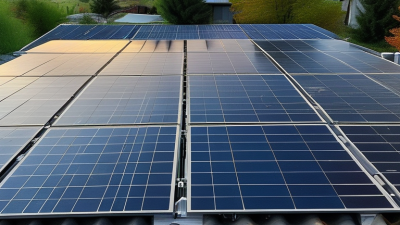
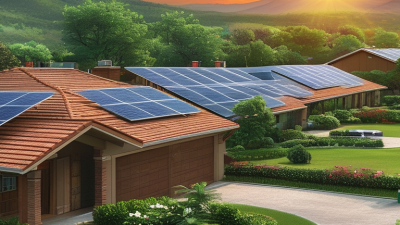
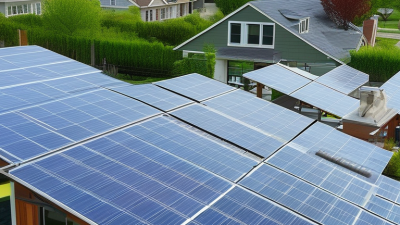
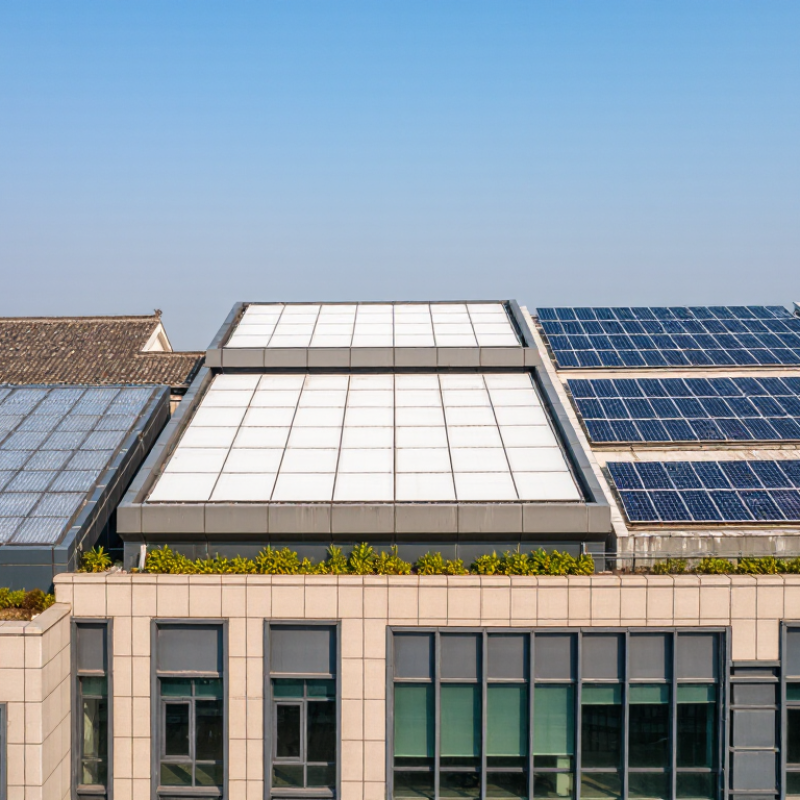
Solar panels generate electricity rather than mainly reducing heat transfer. China’s National Energy Administration recorded 216.9 GW of newly installed solar capacity in 2023, showing the scale of its solar market, not the output of any individual roof. Panels can offset daytime electricity use, while a reflective, insulated roof may lower the building’s demand. Combining them can work well, but panel shade, roof strength, orientation, and local climate need checking first. The awkward part: the best option may change from one building to the next.
How to Select a Roof for a Building’s Climate and Needs
China’s roof choice should begin with local weather, not a material label. A humid southern city may bring heavy rain, heat, and long periods of dampness. In colder northern areas, winter heat loss and snow loads matter more. Check the building’s orientation, roof pitch, shade, and insulation before comparing finishes. Small details count.
For hot, sunny sites, a light-colored, high-reflectance roof can limit absorbed solar heat. Pair it with continuous insulation and a ventilated roof space where the assembly allows. In cold regions, prioritize airtightness and adequate insulation; reflective surfaces alone may not lower annual energy use. They can even reduce useful winter solar gain. Not always.
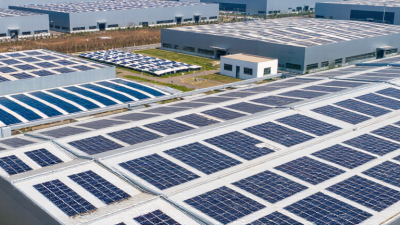
Coastal or rainy locations need reliable drainage, corrosion resistance, and carefully sealed joints. Where storms are common, ask an engineer to verify wind uplift and fixing details. For factories, rooftop equipment and maintenance paths affect the decision; for homes, indoor comfort and noise may carry more weight. Compare expected service life, repair access, and material impacts, not just purchase price. A roof can look efficient on paper, yet perform poorly if installers leave gaps or block drainage. Treat any single “best” answer cautiously. Use local climate records and a site-specific assessment before finalizing the roof assembly.