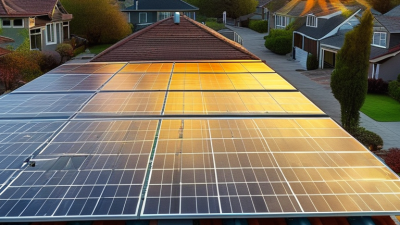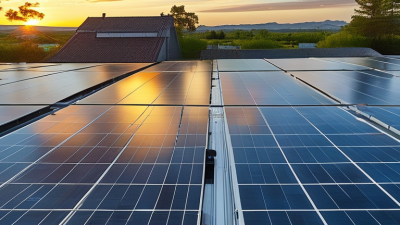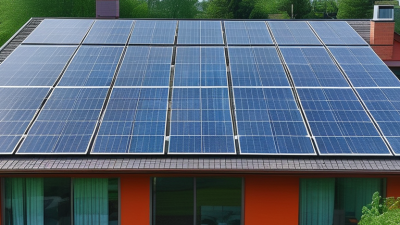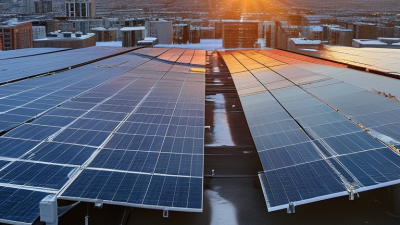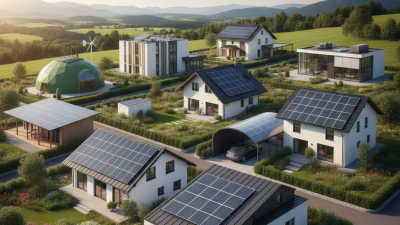
Choosing integrated solar roofing for global projects requires more than comparing panel efficiency or headline prices. The roof must perform as a building envelope and an energy system. That dual role changes every design decision, from waterproofing details to maintenance access.
This guide examines how integrated solar roofing can fit different climates, roof structures, and project goals. A coastal warehouse may need corrosion-resistant fixings and stronger wind design. A mountain hotel may require careful snow-load calculations and reliable drainage paths. In hot regions, ventilation beneath the modules can influence energy yield and roof longevity. Local engineers should verify structural capacity, fire performance, electrical protection, and installation methods against applicable requirements.
Product documentation matters. Look for tested assemblies, clear warranty terms, traceable materials, and technical support that remains available after installation. Experienced contractors should review roof penetrations, cable routes, inverter locations, and replacement procedures before construction begins. A beautiful roof can still create problems if one damaged module requires costly access equipment.
No checklist is flawless. Site conditions often challenge early assumptions. A supplier may have strong laboratory results but limited experience in a region’s humidity or construction practices. Independent review helps expose those gaps. Project teams should compare lifetime value, not only initial cost, and record decisions for future maintenance. The most dependable choice balances energy production, roof protection, worker safety, local expertise, and long-term serviceability. That balance may look different in every country.
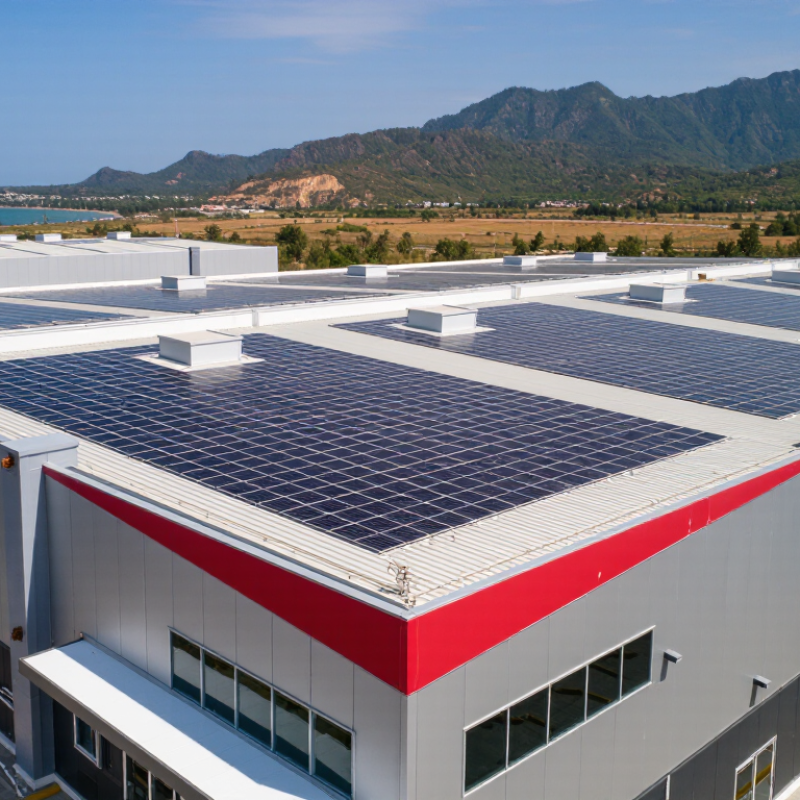
Integrated solar roofing combines a building’s weatherproof roof surface with photovoltaic generation. Unlike panels added above existing tiles, the solar layer becomes part of the roof design. Its core components include photovoltaic modules, structural supports, waterproof membranes, flashing, electrical wiring, and an inverter. Some projects also include battery storage and energy monitoring.
Each component must work as one system. The roof should resist wind, rain, snow, heat, and repeated maintenance access. In hot regions, ventilation beneath the modules can reduce heat stress. In snowy climates, drainage and load calculations need closer attention. The inverter converts solar electricity into usable power, while monitoring equipment reveals faults and production changes. A beautiful roof can still underperform. This is easy to overlook.
Tips: Check local electrical and building requirements before selecting materials. Request verified data for wind load, fire behavior, temperature range, and expected energy output. Coordinate the roof designer, electrical engineer, and installer early. Small gaps around flashing can cause expensive leaks later. Keep service pathways clear. For global projects, avoid assuming one design fits every climate. Regional labor skills, grid conditions, roof geometry, and replacement access can change the best solution. Document each decision, including uncertainties. That record supports safer reviews and more reliable long-term operation.
Integrated solar roofing combines the roof’s weatherproofing function with photovoltaic power generation. Its core components typically include PV modules, waterproofing layers, mounting or flashing systems, inverters, and electrical protection equipment.
The chart compares typical design service-life ranges used in building and solar projects. Actual performance depends on climate, installation quality, maintenance, and local building standards.
Integrated solar roofing must begin with climate, not appearance. The WMO State of the Global Climate 2023 reported record global temperatures and rising weather extremes. Heat, hail, wind, snow, salt air, and freeze-thaw cycles can affect modules, membranes, fasteners, and drainage. A coastal roof may need stronger corrosion protection, while a snowy site needs verified load paths and safe snow shedding. Small details matter. Include local solar irradiation, temperature ranges, humidity, wildfire exposure, and maintenance access in the design brief.
Building codes can change the product selection. Engineers should check structural, electrical, fire, roofing, and energy requirements in the project jurisdiction. The IEA PVPS Trends in Photovoltaic Applications 2024 report recorded more than 400 GW of new photovoltaic capacity installed worldwide in 2023. This rapid expansion has increased the need for consistent testing and qualified installation. Verify module performance under IEC 61215 and IEC 61730, then confirm roof-system fire classification, wind uplift resistance, and waterproofing methods. National codes may also require rapid shutdown, grounding, arc-fault protection, or specific cable routing.
Site conditions deserve a physical inspection. Check roof age, slope, deck condition, shading, drainage paths, and nearby trees. A roof that looks suitable may hide moisture damage. I have seen drawings ignore future maintenance zones, creating avoidable access problems. Use measured site data rather than generic climate assumptions. Yet one limitation remains: international standards do not remove local judgment. Engage a licensed structural and electrical professional, document assumptions, and allow room for design correction before procurement.
Integrated solar roofing combines weather protection with electricity generation, so roof design affects every later decision. Start with the building’s orientation, pitch, structural load, and drainage paths. A steep roof may improve winter production, while a low-slope roof can simplify installation in hot regions. However, dust, snow, salt air, and frequent storms can reduce real-world output.
Compare expected solar yield using local sunlight data, not optimistic product estimates. Measure shading from nearby buildings, roof equipment, and seasonal trees. A compact roof may look efficient but produce less energy after vents and access pathways are included. Ask engineers to model annual output, temperature losses, cleaning intervals, and maintenance access. Field experience matters here. Small design assumptions can become expensive problems.
Tips: Match storage capacity to the site’s operating pattern. A clinic may need reliable overnight power, while a warehouse may consume most electricity during daylight. Review peak loads, backup duration, battery location, ventilation, fire protection, and local approval requirements. Oversizing storage is not always wise. It can increase cost and remain underused. Undersizing creates disappointment during cloudy periods. I would also test several weather scenarios before final design, because one “typical year” rarely represents every project location.
Integrated solar roofing must be assessed as both a roof and an energy system. Material selection begins with climate. In coastal regions, corrosion-resistant frames and sealed electrical connections matter. In cold areas, freeze-thaw testing and snow-load calculations are essential. High-temperature locations need heat-tolerant modules and effective ventilation beneath the roof surface. Do not judge materials by appearance alone. Request fire ratings, impact results, waterproofing data, and expected service intervals. Local building requirements can change the entire specification.
Tips: Compare the complete system, not only the panel price. Check roof structure, drainage paths, cable routes, replacement access, and warranty responsibilities. A cheaper module may require stronger support or more frequent inspections. That difference becomes significant across a large project.
Installation methods also affect cost and reliability. Factory-integrated sections can reduce site labor and improve consistency, but transport damage may create delays. On-site installation offers flexibility, though workmanship varies between crews. Experienced contractors should document flashing details, torque settings, insulation continuity, and electrical testing. Keep photographic records. They support quality checks and future maintenance.
Project costs include design, structural reinforcement, permits, shipping, lifting equipment, labor, monitoring, and repairs. Currency changes and regional taxes can distort early estimates. I have seen budgets fail because replacement access was ignored. That mistake is easy to repeat. Use a lifecycle cost model covering energy yield, maintenance, roof replacement timing, and component availability. Also include a realistic contingency, especially where weather and logistics remain uncertain.
For global integrated solar roofing projects, procurement must begin with the roof, not the panel. The IEA PVPS Trends in Photovoltaic Applications 2024 report recorded about 447 GW of new solar capacity in 2023. That scale increases pressure on materials, transport, and qualified installers. Specify roof membranes, mounting interfaces, drainage paths, fire performance, and wind resistance for each market. Confirm local certifications before placing large orders. Keep replacement modules and compatible inverters nearby. A low purchase price can create expensive delays.
Maintenance planning should show who can reach every module, cable, drain, and seal. Include walkways, safe isolation points, spare parts, and inspection intervals. The NREL report Degradation Rates in Solar Photovoltaic Systems found a median annual degradation rate near 0.5%. Real sites can perform worse. Dust, salt, shading, moisture, and poor ventilation matter. Cleaning schedules should follow measured soiling, not habit. Thermal imaging and visual inspections can expose hotspots, cracked surfaces, and failed seals.
Monitoring needs more than a green dashboard. Align data collection with IEC 61724-1 principles, including irradiance, temperature, energy yield, and performance ratio. Set alarms for sudden output loss, insulation faults, and communication gaps. Store granular data for warranty reviews and insurance records. IEA PVPS Task 13 research highlights the value of structured operation and maintenance practices. Still, remote monitoring cannot detect every roof leak. A monthly site check remains necessary. Long-term contracts should define response times, data ownership, degradation reviews, and uncertain repair responsibilities.
| Planning Dimension | Recommended Data Point | Practical Benchmark or Requirement | Procurement / Design Action | Long-Term Performance Impact |
|---|---|---|---|---|
| Project service life | Target operating period | 20–30 years for the roof and solar system, subject to local code, materials, installation quality, and maintenance. | Define a whole-life performance requirement rather than selecting only by initial purchase price. | Reduces premature roof replacement, system downtime, and lifecycle cost. |
| Roof compatibility | Roof type, slope, structure, drainage, and fire classification | Confirm structural capacity, waterproofing details, drainage paths, wind uplift, snow load, fire performance, and safe access before design approval. | Require a site-specific roof survey and structural calculations signed by qualified professionals. | Prevents leaks, excessive deflection, wind damage, and non-compliance with local building regulations. |
| Solar resource assessment | Annual global horizontal irradiance, plane-of-array irradiance, shading, and temperature | Use at least one full year of representative solar data or a validated long-term satellite and weather-data set. | Model seasonal production, shading losses, soiling, temperature losses, and grid availability before tendering. | Improves energy-yield estimates and prevents overstatement of financial returns. |
| Module efficiency | Rated power and conversion efficiency | Commercial crystalline-silicon modules commonly provide approximately 18%–23% efficiency; verify the certified datasheet for the selected product. | Compare efficiency, temperature coefficient, low-light behavior, dimensions, weight, and fire classification—not efficiency alone. | Higher efficiency can increase output where roof area is limited, while thermal and shading behavior affects actual yield. |
| Energy-yield assumptions | Specific yield and system losses | Use location-specific simulation. Total losses from temperature, mismatch, wiring, inverter conversion, availability, soiling, and shading often require a combined allowance of approximately 10%–20%, depending on site conditions. | Include a transparent loss table and require an independent review for major projects. | Creates a defensible baseline for performance guarantees and financing. |
| Degradation allowance | Annual reduction in module power | Use a conservative planning range of approximately 0.3%–0.5% per year unless certified project-specific data supports another value. | Include degradation in the financial model and define how it will be measured and verified. | Avoids overstating lifetime energy production and revenue. |
| Electrical compliance | Applicable electrical, photovoltaic, building, and fire standards | Confirm the requirements of the project jurisdiction, utility, fire authority, and applicable IEC, EN, UL, or national standards. | Request certificates, test reports, wiring diagrams, protection settings, earthing details, and grid-connection approvals before shipment. | Reduces approval delays, electrical hazards, and grid-disconnection risk. |
| Procurement logistics | Lead time, shipping conditions, spare parts, customs, and local installation capability | Plan for permitting, factory testing, transport protection, import documentation, local storage, and critical spare parts before construction. | Use a country-specific delivery schedule and identify alternative sources for long-lead electrical and waterproofing components. | Limits construction interruption and reduces the risk of incompatible replacement parts. |
| Waterproofing and detailing | Penetrations, flashing, joints, drainage, and repair access | All penetrations and interfaces must be detailed, tested, documented, and accessible for inspection without removing large roof areas. | Specify mock-up testing, water-tightness inspection, photographic records, and a roof repair procedure. | Protects the building envelope and simplifies future maintenance. |
| Preventive maintenance | Inspection, cleaning, vegetation control, corrosion checks, and torque verification | Inspect at least annually and after severe weather; increase frequency where dust, salt, snow, pollution, or biological growth is significant. | Create a site-specific maintenance plan with inspection checklists, safe-access requirements, cleaning criteria, and escalation limits. | Maintains energy yield, limits corrosion and water ingress, and supports warranty claims. |
| Monitoring architecture | Data resolution, availability, alarms, cybersecurity, and remote access | Capture inverter, meter, irradiance, temperature, availability, and alarm data at intervals suitable for diagnosis; 5–15-minute intervals are commonly used for operational monitoring. | Require open data export, time synchronization, role-based access, backup communications, and documented alarm priorities. | Enables faster fault detection, reliable reporting, and performance comparison across countries. |
| Performance indicators | Specific yield, performance ratio, availability, and energy variance | Track kWh/kWp, performance ratio, technical availability, inverter downtime, curtailment, and actual-versus-modeled production. | Set monthly reporting rules, data-quality thresholds, responsible parties, and corrective-action deadlines. | Provides measurable evidence of system health and contractual performance. |
| Inverter lifecycle | Expected service period and replacement strategy | Central and distributed inverters commonly require major refurbishment or replacement during a 20–30-year project life; planning around 10–15 years is prudent unless project-specific evidence indicates otherwise. | Budget replacement, retain configuration files, document compatible parts, and define response-time requirements. | Reduces unplanned downtime and protects long-term energy production. |
| Warranty and service coverage | Product warranty, power warranty, workmanship, response time, and exclusions | Separate product, performance, roof-system, installation, and service warranties; review geographic validity, transferability, labor coverage, and force-majeure exclusions. | Use a warranty matrix and require local service contacts, claim procedures, and spare-parts availability. | Improves recoverability when defects, transport damage, or premature failures occur. |
| Climate resilience | Wind, snow, hail, heat, humidity, salt mist, dust, and lightning | Design loads and environmental tests must reflect the actual site, including the highest applicable wind and snow loads and corrosivity conditions. | Specify corrosion-resistant materials, suitable enclosure ratings, drainage, lightning protection, and climate-appropriate installation methods. | Reduces accelerated aging, structural damage, insulation failure, and weather-related outages. |
| End-of-life planning | Removal, recycling, disposal, roof restoration, and replacement access | Document component materials, hazardous-substance requirements, local waste rules, lifting routes, and roof reinstatement methods before commissioning. | Include decommissioning cost and responsibilities in the original contract and financial model. | Avoids unexpected liabilities and supports circular-material management. |