| Conventional crystalline-silicon module suppliers |
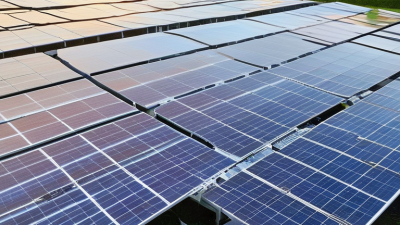
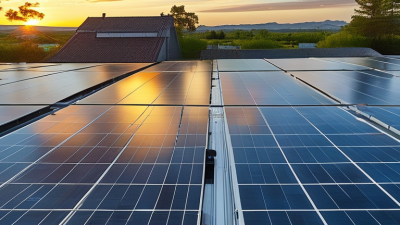
Monocrystalline silicon photovoltaic modules using half-cut, multi-busbar or similar cell layouts |
Approximately 400–600 W per module; module efficiency commonly around 20%–23%; framed or frameless formats |
High commercial availability, strong conversion efficiency, mature supply chains, broad inverter compatibility and competitive cost per watt |
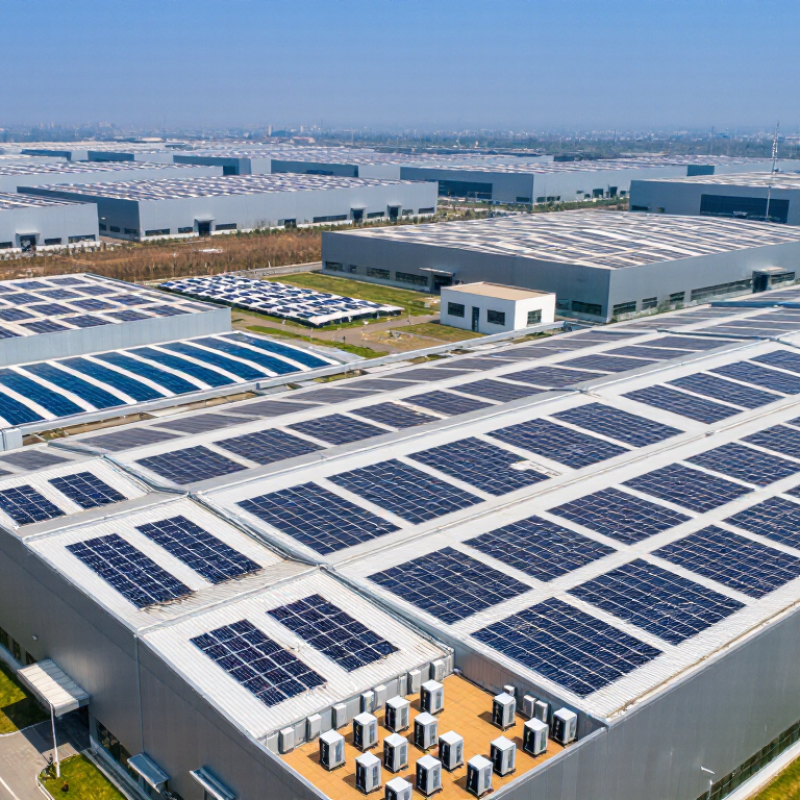
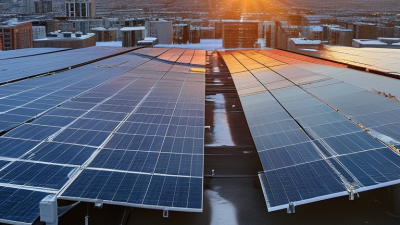
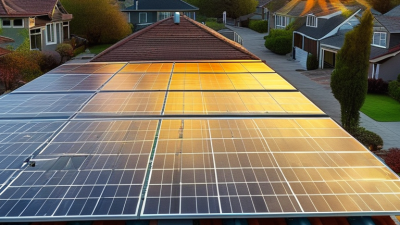
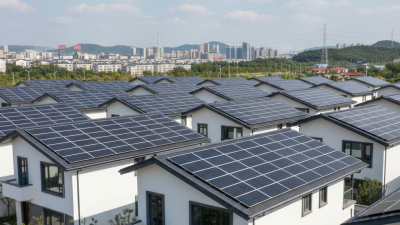
Residential pitched roofs, commercial warehouses, factories and large industrial rooftops |
Roof load capacity, wind and snow conditions, shading, fire classification, module dimensions and maintenance access |
IEC 61215, IEC 61730, factory quality control, product warranty terms and verified power-degradation warranty |
| Building-integrated photovoltaic suppliers |
Photovoltaic glass, façade panels, skylights, curtain-wall units and roof elements that replace conventional building materials |
Opaque or semi-transparent panels; output varies by design, commonly about 100–200 W/m² for roof and façade products |
Integrated appearance, reduced duplication of building materials, architectural flexibility and improved use of roof or façade surfaces |
New commercial buildings, industrial facilities, atriums, canopies and premium architectural projects |
Waterproofing details, structural engineering, thermal expansion, glass safety, fire performance and coordination with the building envelope |
IEC 61215 and IEC 61730 where applicable, building-product testing, local fire and structural approvals, and waterproofing inspection |
| Solar tile and solar shingle suppliers |
Small-format photovoltaic tiles or shingle-style modules designed to overlap or align with roofing materials |
Typically about 80–180 W/m² of active roof area, depending on tile size, spacing and roof design |
Low visual impact, improved roof aesthetics, compatibility with selected roof geometries and reduced reliance on raised mounting structures |
Detached homes, villas, heritage-style buildings and projects where appearance is a major purchasing factor |
Lower power density than large modules, more complex installation, replacement procedures, drainage design and roof-worker safety |
Electrical safety certification, roof-system fire testing, wind and water-resistance testing, installation manuals and trained installers |
| Flexible and lightweight photovoltaic suppliers |
Thin-film or lightweight crystalline photovoltaic laminates mounted on polymer, composite or other flexible substrates |
Commonly about 100–180 W/m²; product weight may be substantially below conventional framed modules |
Low structural load, easier handling, suitability for curved or weight-sensitive roofs and reduced need for heavy racking |
Membrane roofs, lightweight metal buildings, recreational vehicles, temporary structures and roofs with limited load margins |
Long-term adhesion, surface temperature, puncture resistance, fire rating, replacement method and performance under repeated flexing |
Applicable IEC testing, substrate and adhesive testing, fire classification, wind uplift testing and documented installation procedures |
| Roof mounting and waterproofing-system suppliers |
Aluminum or steel rails, hooks, clamps, ballast systems, roof anchors, flashing and non-penetrating mounting solutions |
Fixed-tilt, low-slope ballast, standing-seam clamps, tile-roof hooks and customized attachment systems |
Fast installation, adaptable roof interfaces, corrosion resistance, load distribution and improved protection against water ingress |
Commercial flat roofs, metal roofs, tile roofs, agricultural buildings and retrofit projects |
Wind uplift, roof membrane compatibility, galvanic corrosion, drainage, ballast weight, grounding and attachment-point spacing |
Structural calculations, corrosion testing, wind-load documentation, installation drawings and compliance with local building codes |
| Solar carport and canopy system suppliers |
Steel or aluminum canopy structures with integrated photovoltaic modules, drainage and optional vehicle-charging infrastructure |
Single-row or multi-row parking structures; system capacity depends on parking area and module layout |
Adds generating capacity without using building roof space, provides vehicle shade and can support charging stations or energy storage |
Factories, retail parking areas, office campuses, transport hubs and public facilities |
Foundation design, drainage, snow and wind loads, vehicle clearance, cable protection, lighting and local planning approvals |
Structural certification, electrical safety compliance, waterproofing details, civil-work drawings and local construction permits |
| Integrated rooftop energy-system suppliers |
Packaged photovoltaic systems combining modules, inverters, monitoring, battery storage and energy-management controls |
Residential and commercial systems from a few kilowatts to multi-megawatt rooftop installations |
Single-point engineering responsibility, coordinated design, remote monitoring, load management and improved self-consumption potential |
Homes, factories, warehouses, schools, hospitals and sites with peak-demand or backup-power requirements |
Grid interconnection, battery cycle life, fire protection, backup-load selection, cybersecurity, maintenance response and warranty coordination |
Relevant photovoltaic and battery standards, grid-code compliance, electrical installation certification, commissioning records and service capability |