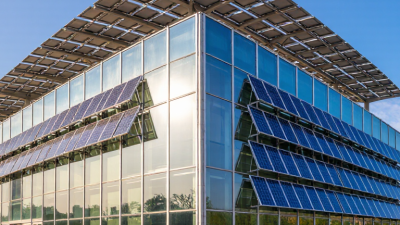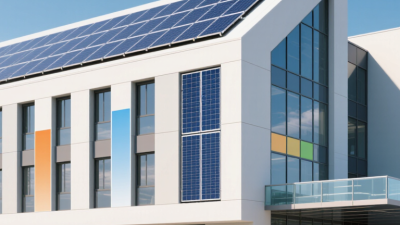
Choosing building integrated photovoltaics requires more than comparing panel efficiency or headline price. The system becomes part of the building envelope, replacing roof tiles, façades, glazing, or shading elements. IEA PVPS reported that global photovoltaic capacity exceeded 1.6 terawatts by the end of 2023, with annual additions above 400 gigawatts. This growth creates opportunity, but it does not make every building suitable. A shaded historic façade, a lightweight roof, and a south-facing warehouse need different solutions. The best choice begins with the building’s structure, orientation, local climate, and electricity profile.
Performance is only one measure. A reliable assessment should examine fire behavior, wind resistance, water drainage, thermal movement, maintenance access, and electrical protection. Standards such as EN 50583 and the IEC 63092 series provide useful guidance for photovoltaic systems integrated into buildings. IRENA’s Renewable Capacity Statistics 2024 also confirms solar’s continuing expansion, yet market growth should not replace project-specific engineering. Ask whether the product can withstand hail, coastal salt, repeated temperature changes, and years of cleaning. Look closely at junctions around windows and roof edges. Small installation weaknesses can cause expensive moisture problems. Early assumptions may be wrong. Therefore, this guide compares technology types, certification evidence, lifecycle costs, visual goals, and installation constraints, helping project owners choose building integrated photovoltaics with greater confidence and fewer avoidable surprises.
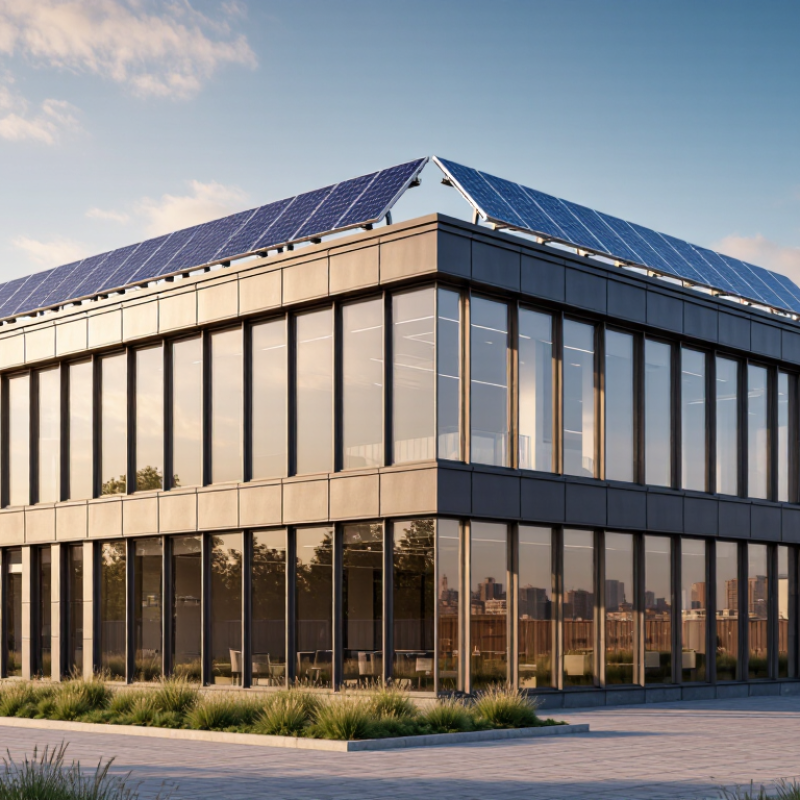
Building-integrated photovoltaic systems replace conventional building materials with solar-generating surfaces. They may appear as roof tiles, curtain walls, skylights, or balcony panels. The right choice starts with the building, not the product brochure.
Study the facade direction, roof angle, nearby trees, and seasonal shadows. A south-facing surface is not always best if surrounding towers block winter sunlight. Measure available area carefully. Ventilation gaps, drainage paths, and maintenance access can reduce the usable panel space. Glass modules may suit a bright atrium, while opaque panels can provide stronger privacy and heat control.
Check more than rated power. Confirm wind resistance, fire performance, waterproofing details, and structural loads with qualified engineers. The electrical design should match local codes and include safe isolation points. Ask how damaged modules will be replaced without removing adjacent cladding. This detail is often overlooked.
Energy modeling can estimate annual output, but site conditions remain uncertain. Dust, snow, salt air, and partial shading may reduce performance. A small mock-up can reveal glare, color differences, and installation problems before construction begins. Do not treat appearance as proof of quality. A clean facade may produce disappointing energy if its orientation is poor. Even experienced teams can misjudge shading during winter. Review the design with architects, installers, building inspectors, and facility staff before approving the final system.
How to Choose Building Integrated Photovoltaics?
Building integrated photovoltaics should begin with the building, not the panel. The IEA reports that buildings consume about 30% of global final energy and produce around 26% of energy-related emissions. This makes energy demand a practical design starting point. Review hourly electricity loads, peak cooling periods, and future occupancy. A glass office with heavy afternoon cooling may benefit from solar glazing. A small apartment may need higher-efficiency roof modules instead. Real load data is essential.
Design constraints matter just as much. Check roof direction, façade angles, shading, drainage, fire access, and replacement routes. A south-facing wall is not automatically productive. Nearby towers, trees, and parapets can create narrow shadows across the array. The Global Solar Atlas uses long-term solar resource modelling to estimate photovoltaic output, but site measurements still improve confidence. Local heat, dust, and snow can reduce actual production.
The IEA PVPS Trends report recorded more than 400 gigawatts of new solar capacity worldwide in 2023, showing rapid market growth. Scale alone does not guarantee a good BIPV choice. Compare annual yield, winter output, embodied carbon, glare, and maintenance access. Ask for independently verified performance data. Small details matter.
I have seen attractive façades underperform because architects ignored inverter access. That mistake is expensive. Energy modelling should test several orientations and shading scenarios, not one optimistic estimate. Some assumptions will be wrong. Record them openly, then revise the design as better measurements arrive.
How to Choose Building Integrated Photovoltaics?
Comparing BIPV Technologies, Materials, and Applications
Building integrated photovoltaics replace conventional building surfaces with power-producing elements. Crystalline silicon usually offers strong efficiency and mature performance data. Thin-film systems can perform better under weak light and partial shading. They may also suit curved surfaces. The choice depends on orientation, roof pitch, climate, and available daylight.
Material selection affects safety and service life. Laminated solar glass can provide weather protection and improved impact resistance. Opaque modules suit roofs, spandrels, and shaded façades. Semi-transparent modules work well in atriums, skylights, and curtain walls. Their cell spacing controls both indoor brightness and electricity output. Aesthetic gains can reduce energy yield. That trade-off needs honest discussion.
Site assessments should examine wind loads, drainage, glare, fire performance, thermal movement, and access for maintenance. Electrical designers must check voltage limits, inverter placement, cable routes, and emergency isolation. Local building and electrical codes remain essential, even for small installations. A full-scale façade mock-up can reveal reflections, color differences, and installation errors before construction. Small details matter.
Project teams should compare output using realistic shading simulations, not ideal laboratory ratings. Dust, snow, nearby trees, and seasonal sun angles change results. A visually perfect system may produce disappointing energy. That is easy to overlook. Maintenance plans should identify damaged glass, failed seals, and difficult cleaning areas. BIPV works best when architects, engineers, contractors, and owners review performance together from the design stage.
Choosing building-integrated photovoltaics requires more than comparing panel efficiency. Start with the building’s orientation, shading, roof pitch, and façade temperature. The IEA PVPS Trends in Photovoltaic Applications 2024 reported global photovoltaic capacity above 2 terawatts. Yet BIPV output can differ sharply from open-rack systems because ventilation is often limited. Higher module temperatures reduce energy yield. Model hourly production, not only the rated wattage.
Costs need a wider lens. Include structural changes, waterproofing, wiring, access equipment, and future replacement. IRENA’s Renewable Power Generation Costs in 2023 reported a global utility-scale solar LCOE of about USD 0.044 per kilowatt-hour. This is a useful benchmark, not a BIPV price. BIPV installation can cost more because it replaces façade or roofing materials. My practical mistake was trusting the cheapest quotation. It excluded drainage details and maintenance access.
Safety and compliance deserve equal attention. Check electrical protection, fire classification, wind loading, mechanical fixing, and emergency shutdown procedures. IEC 61730 addresses photovoltaic module safety, while IEC 60364-7-712 covers photovoltaic electrical installations. Local building codes still control final approval. Fire pathways, firefighter access, and roof compartmentation may change the design. The Fraunhofer Institute’s Photovoltaics Report 2024 shows continuing efficiency gains, but efficiency cannot correct poor detailing. A beautiful glass façade may still leak. Require third-party testing, documented installation procedures, and an operations plan with inspection records. Performance guarantees should state assumptions clearly, including shading, temperature, degradation, and cleaning frequency. Calibration matters.
Planning BIPV installation starts with the building, not the panel. Check roof geometry, façade direction, shading, wind exposure, and structural capacity. A winter shade study can reveal losses hidden during summer visits. Confirm local building, fire, electrical, and waterproofing requirements with qualified professionals. Keep drainage paths clear around every integrated module. The system must protect the building envelope as well as produce electricity. Measure twice.
Plan access before construction begins. Technicians need safe routes to inverters, junction boxes, gutters, and inspection points. Maintenance becomes expensive when a replacement requires scaffolding or façade removal. Use monitoring that records output, temperature, alarms, and unusual performance changes. Compare monthly generation with weather conditions, not simple expectations. Dust, cracked seals, loose wiring, and moisture stains deserve prompt inspection. Keep records.
Long-term operation needs a written schedule, responsible contacts, and spare components. Inspect seals and flashings after severe storms, then review electrical connections during scheduled servicing. Clean surfaces only when local dust or pollution causes measurable losses. Over-cleaning wastes water and may damage finishes. A realistic maintenance budget should include access equipment and eventual component replacement. Early plans are rarely perfect. One project may prioritize appearance and underestimate repair access; that mistake should remain visible in future designs. Reassess performance annually, document failures honestly, and adjust the operating plan before small defects become building damage.