Why Are Solar Energy Systems a Smart Investment?

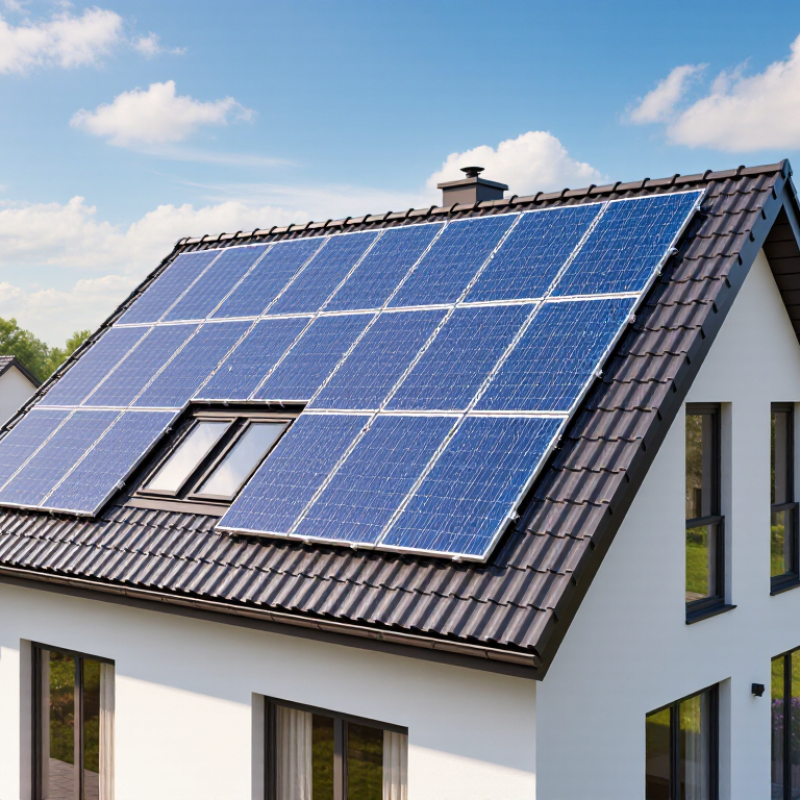
A solar panel can turn a quiet stretch of roof into a small power station. On a clear afternoon, its output may run appliances while reducing the electricity drawn from the grid. That is one reason solar energy systems attract homeowners and businesses seeking more control over energy costs. The investment can also support lower operational emissions, though its value depends on how the system is designed and used.

Fatih Birol, Executive Director of the International Energy Agency, described solar’s growing role this way: “I see solar becoming the new king of the world’s electricity markets.” His observation points to a broader shift, but it does not guarantee savings for every property. Roof direction, shading, local electricity prices, installation costs, and available incentives can all change the financial picture. Details matter.

A sound decision starts with real numbers. Compare a written installation quote with recent utility bills, and ask how the estimate treats maintenance, equipment warranties, and future electricity rates. Battery storage may help during outages or shift energy use, but it adds cost and is not essential for every household. Nor is every roof suitable. That can be disappointing.

This article explores why solar energy systems may be a smart investment, how their costs and benefits are assessed, and which practical questions deserve attention before installation. The answer is rarely a simple yes. A careful review can reveal whether the panels above a particular home are likely to deliver lasting value—or whether the assumptions need another look.
Why Are Solar Energy Systems a Smart Investment?

How Solar Energy Systems Generate and Supply Electricity

A solar panel does not store sunlight. Its photovoltaic cells convert incoming light into direct-current electricity. Wires carry that power to an inverter, which changes it into alternating current for household circuits. The refrigerator hums, lights switch on, and appliances draw power as needed. Clouds matter. Shade from a chimney can also reduce output, so placement and system design affect real-world performance.

The IEA Photovoltaic Power Systems Programme’s Snapshot of Global PV Markets 2024 reports that solar photovoltaics generated roughly 1,600 terawatt-hours worldwide in 2023, about 5.4% of global electricity. That figure reflects millions of systems with different weather, orientations, and grid conditions. On a clear afternoon, a home may produce more electricity than it uses. A grid-connected system can send the surplus through the meter; after sunset, the home can draw electricity from the grid or a battery. Batteries add flexibility, but they also add cost and conversion losses.

A useful system assessment compares expected production with the home’s hourly demand, not just its annual bill. A south-facing roof may perform well, yet trees can cast long winter shadows. Local utility rules and metering arrangements determine how exported electricity is credited. Estimates are never perfect; actual output shifts with seasons, dust, and equipment age. That uncertainty deserves a place in the investment calculation.

The Upfront Costs of Installing a Solar Energy System

Why Are Solar Energy Systems a Smart Investment?

The Upfront Costs of Installing a Solar Energy System

A solar quote covers more than panels. It may include inverters, mounting hardware, labor, permits, and electrical work. Lawrence Berkeley National Laboratory’s Tracking the Sun 2024 report found a median residential system price of about $3.15 per watt in 2023, before incentives. For a 7-kilowatt system, that points to roughly $22,050. It is a benchmark, not a promise.

The final bill depends on the roof and the home’s wiring. A shaded roof may need extra panels; an older electrical panel may need an upgrade. Battery storage adds another substantial cost. Get an itemized quote. Check whether it includes inspection, monitoring equipment, and repairs needed before installation. Small omissions matter.

NREL’s photovoltaic cost benchmark also breaks expenses into equipment, labor, permitting, and other project costs. That detail helps explain why two similar-looking quotes can differ. I would be cautious about comparing only the total price per watt; it can hide different equipment or excluded work. And roofs are rarely perfect. A careful site assessment may reveal costs that a quick online estimate misses.

How Solar Panels Can Reduce Long-Term Electricity Expenses

Why Are Solar Energy Systems a Smart Investment?

Solar panels can reduce long-term electricity expenses by supplying power your home would otherwise buy from the grid. Each kilowatt-hour you use directly may offset a retail-rate purchase. That adds up over time. The U.S. Energy Information Administration reported average residential electricity prices rising from 13.01 cents per kilowatt-hour in 2019 to 16.48 cents in 2024, in its Electric Power Monthly data. That is roughly a 27% increase. A solar system can help limit exposure to future rate rises, though savings vary with local prices, sunlight, system costs, and utility rules.

Panels do not erase every charge. Evening use, cloudy weather, export-credit rules, and fixed utility fees all affect the final bill. A system that sends excess daytime power to the grid may receive less credit than the retail price. Payback estimates are useful, but they are estimates. A first calculation may be rough, and actual bills can differ.

Tips: Compare your last 12 months of bills with a site-specific production estimate. Check roof condition and shade around midday. Ask how export credits, financing costs, and inverter replacement affect projected savings. Then compare the estimate with your actual usage—not just the best-case scenario.

Why Are Solar Energy Systems a Smart Investment?

How solar panels can reduce long-term electricity expenses

Illustrative model: 10,000 kWh of annual household electricity use, a starting electricity rate of $0.16/kWh rising 3% per year, and a $25,000 upfront solar system cost. Solar’s estimated remaining grid charges and maintenance start at $450 per year and rise 2% annually. Actual costs and savings vary by location, system size, utility rates, and household use; incentives and financing are not included.

Financial Incentives and Potential Increases in Property Value

Financial incentives can make solar more affordable, but the details depend on where a home is located. Tax credits, utility rebates, and local programs may reduce upfront costs. Eligibility and rules can change, so confirm current requirements before including an incentive in your budget. Keep invoices and system records. They can help explain the investment to a future buyer.

Property-value research is encouraging, though it is not a guarantee. A 2015 Lawrence Berkeley National Laboratory study found that owned solar systems added about $4 per watt to sale prices across its sample of homes. Zillow’s 2019 analysis reported a 4.1% premium, or roughly $9,274, for homes with solar.

Different markets. Different results. These figures reflect specific study periods and locations, not a promise for every property.

System ownership, age, condition, and nearby comparable sales all matter. A leased system may be viewed differently by buyers.

Picture a buyer comparing two similar homes: one has a documented system and clear electricity bills; the other has little information. The paperwork can matter.

Still, estimating future resale value is imperfect, and sellers may not recover every dollar spent. Ask a local real-estate professional how buyers value owned systems in your area, and compare that estimate with installation costs and expected bill savings.

Factors That Affect the Return on a Solar Investment

A solar system’s return depends on more than its purchase price. Compare the full installed cost with any locally available incentives, then check how you plan to pay. Cash purchases and loans create different costs over time. Financing fees can quietly reduce savings. Read the terms carefully.

Your home’s energy use and roof conditions matter just as much. A south-facing, unshaded roof may produce more electricity than one shaded by trees for several afternoon hours. System size should match realistic household demand, not an optimistic guess. Review past utility bills and consider whether electricity rates or export credits may change. Small details count.

Batteries can provide backup power, but they add upfront cost and may lengthen payback. Panel output also declines gradually, while inverters and other components may need repair or replacement. Ask for production estimates based on your roof, local weather, and shading—not a generic regional average. Estimates are still estimates. I would compare several scenarios, including lower-than-expected production, before deciding. A tidy spreadsheet can make uncertain assumptions look more certain than they are.

Why Are Solar Energy Systems a Smart Investment? — Factors That Affect the Return on a Solar Investment

Factor How It Affects Returns What to Evaluate
System purchase and installation cost A lower upfront cost generally improves payback, provided the system is appropriately sized and the equipment and workmanship meet your needs. Compare itemized quotes, system capacity, expected production, warranties, and any roof or electrical work included.
Sunlight and local climate Solar output varies by location, roof orientation, shading, weather, and season. More annual production can increase bill savings. Request a site-specific production estimate that accounts for shade, roof direction, tilt, and local weather data.
Electricity prices When solar replaces electricity that would otherwise be purchased at a higher retail rate, the bill savings can be greater. Future rate changes are uncertain. Review your utility’s current rates, time-of-use periods, fixed charges, and how exported electricity is credited.
Self-consumption and export compensation Using solar electricity at home can be more valuable than exporting it when the utility pays less for exported power than the retail rate. Compare your daytime electricity use with expected solar generation, and check the utility’s current export-credit rules.
Incentives and tax treatment Eligible rebates, tax provisions, or other incentives may reduce net costs, but availability and eligibility depend on location and current rules. Verify current requirements with official government and utility sources before including an incentive in your calculations.
Financing method Loan interest, fees, and payment terms affect total cost and cash flow. A financed system may have different savings from a cash purchase. Compare the total amount paid over the term, not only the advertised monthly payment; include fees and any escalator clauses.
Battery storage A battery can store excess generation for later use or backup, but its cost, efficiency, and replacement needs can change the investment return. Assess the value of backup power and the difference between your export credit and the price of electricity used after sunset.
System performance over time Solar panels gradually lose output as they age. The actual rate varies by product and conditions; many manufacturers specify a long-term performance warranty. Review the panel’s warranted output over time, inverter warranty, monitoring options, and service coverage.
Roof condition and maintenance Repairs or roof replacement after installation may add costs or require temporary panel removal. Most systems need limited routine maintenance, but service needs vary. Check roof age and condition before installation, and understand the cost and responsibility for repairs and system removal.
Simple payback calculation Estimated payback is commonly calculated as net upfront cost divided by estimated annual bill savings. It is a simple estimate, not a guarantee. Include realistic production, export credits, financing, maintenance, incentives, and utility charges; compare cash-flow estimates over the system’s expected life.

Note: Solar economics depend on location, utility rules, system design, and household electricity use. Confirm local rates and current incentives before making a decision.

X
Solinso-gdpr
Privacy Overview

This website uses cookies so that we can provide you with the best user experience possible. Cookie information is stored in your browser and performs functions such as recognising you when you return to our website and helping our team to understand which sections of the website you find most interesting and useful.