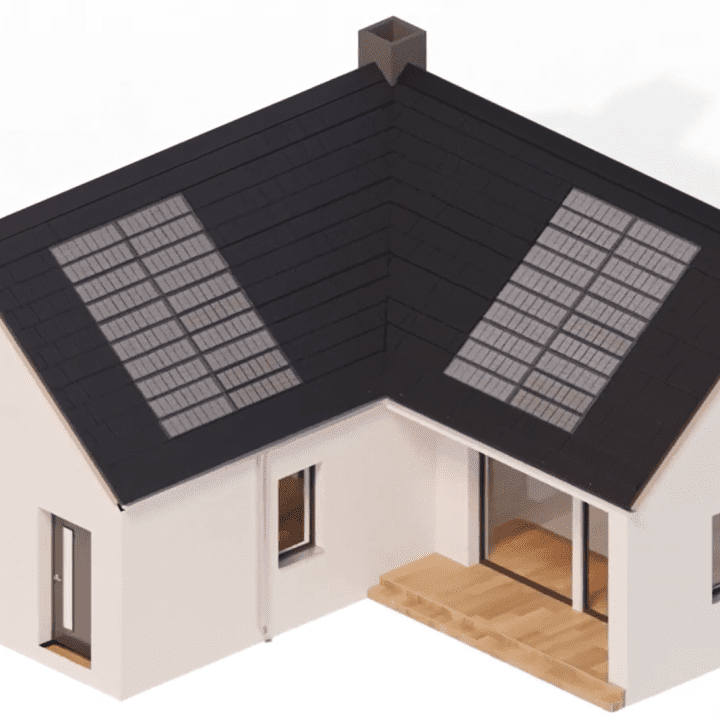


Certification for BIPV (Building Integrated Photovoltaics) products is more complex than for standard solar panels. A standard PV panel is assessed solely as an electrical product. A solar roof tile, on the other hand, is also a building product: it literally forms part of the roof and must therefore meet both electrical and structural requirements.
The overview below explains which standards are relevant to Mystiek and how the certification process is structured.
Why certification for BIPV is different
A PV panel on a rail system is placed on top of a roof.
A solar roof tile is the roof itself.
This fundamentally changes the assessment. In addition to electrical safety, the product must demonstrate that it:
- Stays waterproof
- Can withstand wind loads
- Is fire safe
- Causes no condensation problems
- Withstands frost and temperature fluctuations
- Mechanically strong enough (including hail and loads)
For this reason, the certification process consists of two parts:
- Electrical engineering (PV module)
- Architectural (roof covering system)

What this means in practice
For architects, installers and clients, this means:
- the solar element is tested as PV-module
- the roof tile is tested as constructionproduct
- the complete system has been assessed as part of the building shell
Mystiek is therefore not only treated as an energy generator, but as an integral roofing system that must meet both electrical and structural safety requirements.
View the certificates on the downloads page.
Datasheets, manuals, product documents, videos, and certificates can be found on the downloads page.