

An iconic piece of Dutch on the roof
The roof tile has played a leading role in the Dutch streetscape for centuries. From picturesque villages to modern new housing estates, the orange or red-brown waves on the roof are as familiar as our brick façades. But where did the typical pan come from? Why do we still choose it? And how does the roof tile fit into the future of sustainable construction?
The history of the roof tile in the Netherlands
The first roof tiles appeared in the Netherlands as early as Roman times, but it was not until the Middle Ages that they became widely used, although the roof tile the Romans introduced was a completely different model (tegulae). Brick houses became more common, and a roof with tiles offered more protection than thatch or wood.
Dutch roof tiles were traditionally made from clay – a raw material that was widely available in our river areas. Especially in South Holland and along the major rivers, production sites arose where river clay was formed and fired into roof tiles.
The materials: traditional Dutch clay work
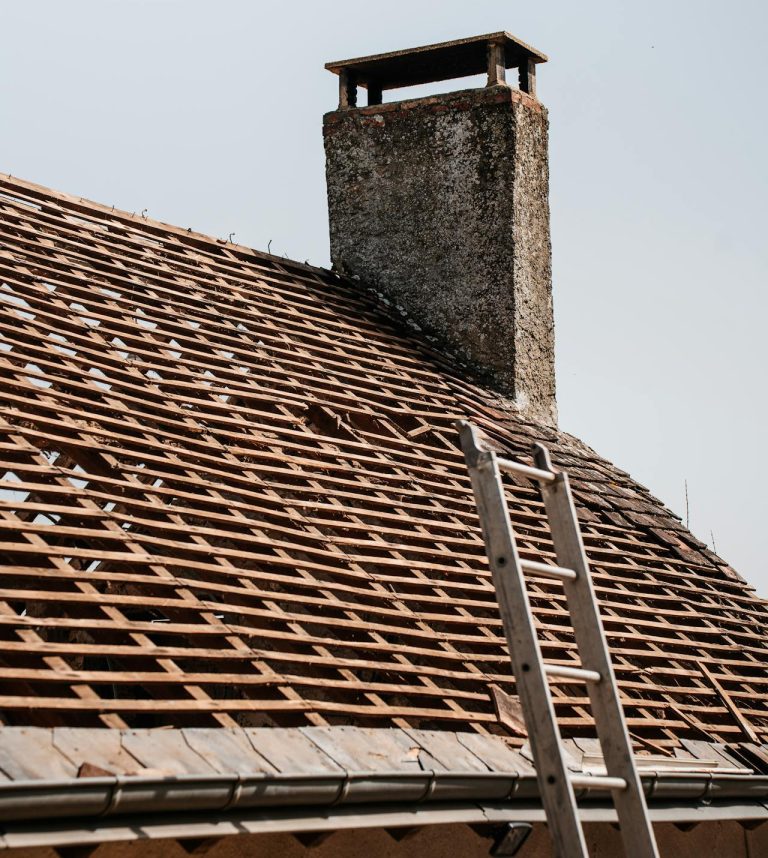
Until well into the twentieth century, roof tiles were mainly made of fired clay. Nowadays, there are also concrete variants, but ceramic (clay) roof tiles are still appreciated for their durability, colourfastness and traditional look.
Dutch roof tiles are known for their quality and longevity – often more than 50 years – and their natural origins: river clay, air, water and fire.
The typical Dutch wavy roof tile
When you think of a “classic” roof tile, you probably picture the holle pan or Hollandse pan: a wavy pan with a single or double curve.
That shape was not chosen by chance. Because of the undulation:
- drains rainwater faster (good in Dutch climate)
- a beautiful play of light and shadow emerges
- and laying the tiles is relatively easy
Compared to less windy places on earth, we in the Netherlands have rather high standards for flood defence and wind resistance. This form is deeply rooted in our landscape and is still used in both renovations and new construction that pursues a traditional character.
Alternatives from thatched to slate roofs
Although the roof tile is dominant, the Netherlands also has other roofing materials:
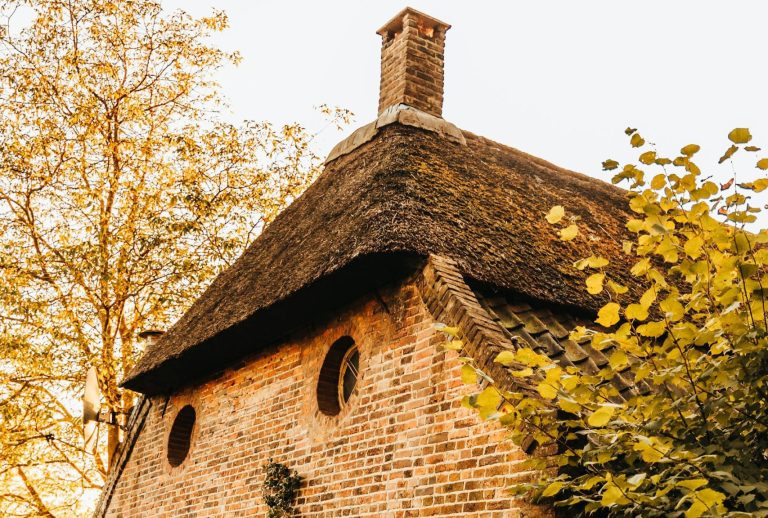
- Thatched roofs | Especially on farmhouses or villas, for a luxurious or rustic look. Good insulation, but low maintenance.
- Slate roofs | Particularly popular in the provinces along the Maas and hilly regions (Border region North Brabant and Limburg). Thin stone slabs, chic and sleek.
- Bitumen, EPDM and PVC | On flat roofs, mostly functional and invisible.
- Concrete roof tiles | Slightly cheaper than ceramic, often a bit coarser in appearance.
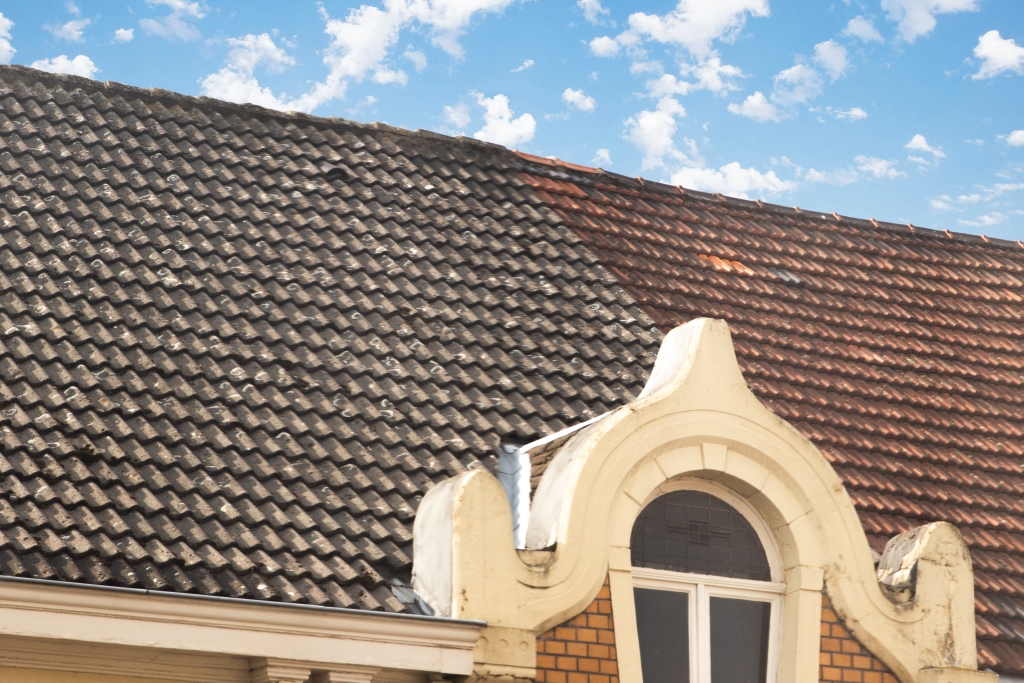
But the ceramic, wavy roof tile continues to define the picture – because of aesthetics, history and because we simply like it.
A flat, neat and sunny future
Yet things are changing. New houses are becoming increasingly energy-efficient, and roofs are taking on a new function: that of energy generation.
On traditional, corrugated tiles, this is difficult. Solar panels look like strange intruders on such a roof. That clashes – aesthetically and technically.
The solution?
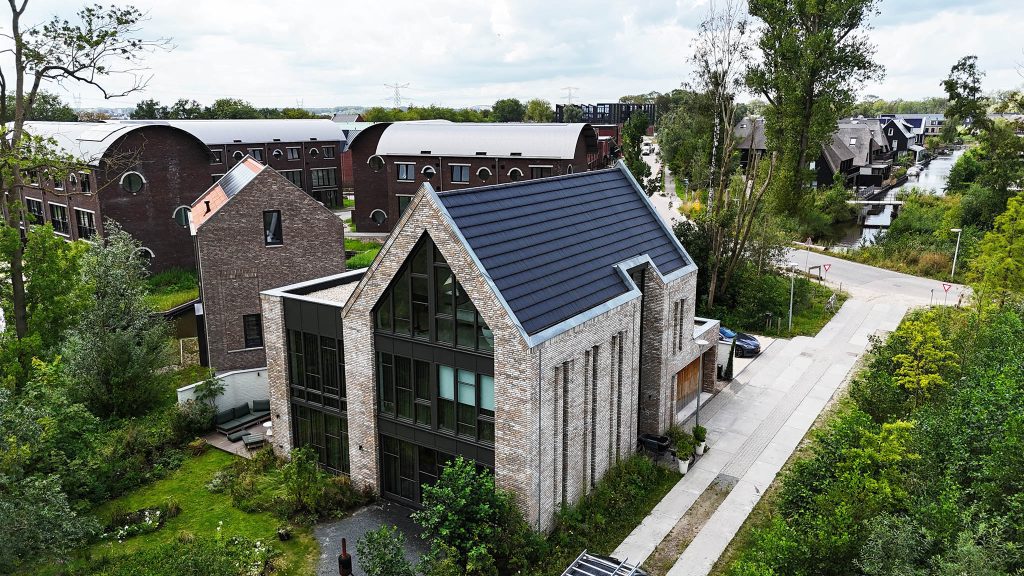
Flat roof tiles, such as the Nelskamp Planum or Nibra G10, offer a tighter roof image and are ideally suited for integrating solar energy.
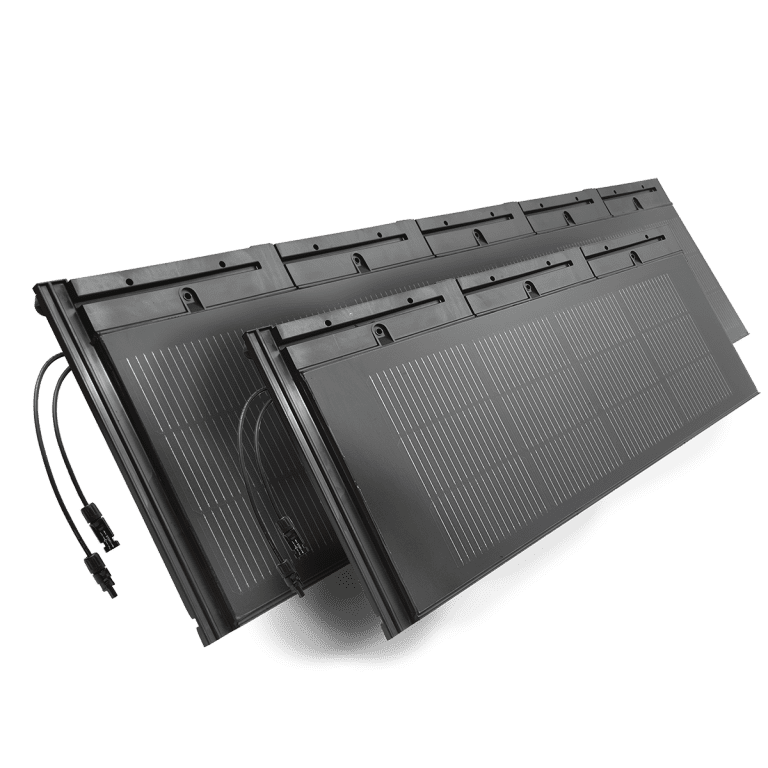
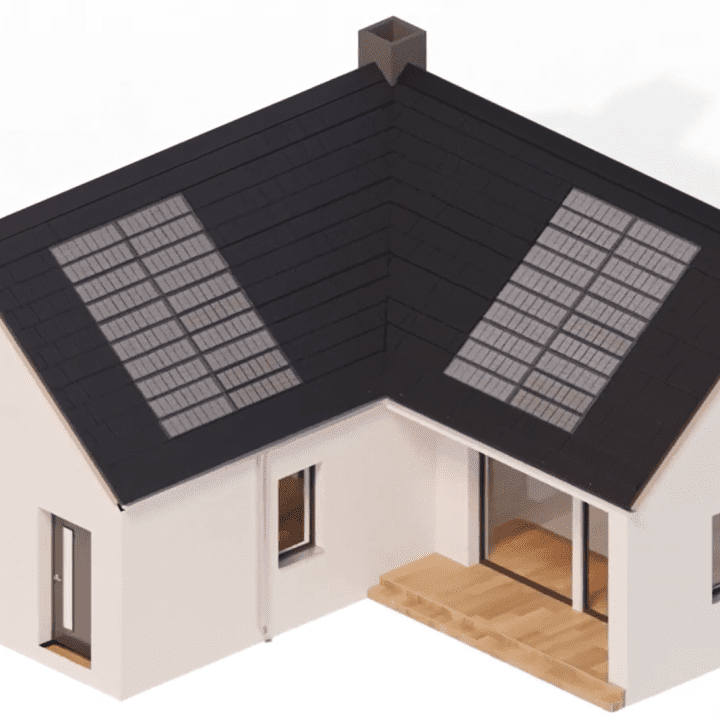
So-called BIPV (Building Integrated Photovoltaics) solutions, such as the Mystique solar roof tile, combine the function of an ordinary roof tile with that of a solar panel.
This keeps the roof in one piece – beautiful, safe and sustainable.
The best of both worlds
The roof tile is and will remain a piece of cultural heritage. But the roof itself is on the move: from passive protection to active energy source. Those who want to build in style and invest in the future not only look to the past – but also to innovative solutions that combine the best of both worlds.