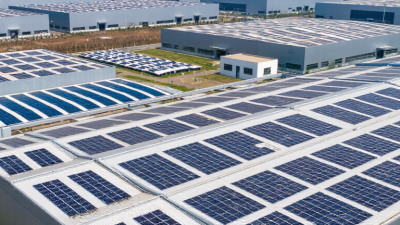
Why Are Solar Energy Systems Worth It?
Solar energy systems capture sunlight and convert it into electricity for a home or business. A typical setup uses rooftop panels, an inverter, and wiring connected to the property’s electrical system. Some homes also include a battery. On a clear afternoon, the panels may supply power while household appliances run. At night, the home draws electricity from the grid or stored energy. The details matter.
Their value depends on more than the panels themselves. Roof direction, shade from nearby trees, local weather, electricity prices, and installation costs all affect potential savings. A south-facing roof may receive strong sunlight in some regions, but that is not a universal rule. A qualified installer can assess a property and explain expected production using site-specific information. Ask how estimates account for seasonal changes, equipment warranties, and future maintenance. Small details can change the calculation.
For many owners, solar energy systems offer a way to reduce grid electricity use and make energy costs more predictable. They can also provide some backup power when paired with suitable storage, though a standard grid-connected system may shut down during an outage for safety. That surprises people. The upfront price, roof condition, and time spent at home deserve an honest look before signing a contract. It is tempting to focus on a projected bill reduction, but estimates are not guarantees. A careful comparison of costs, equipment, and household needs shows when solar is worthwhile—and when waiting or choosing another option may make more sense.

How Solar PV Systems Convert Sunlight into Usable Electricity
A solar PV system starts with light, not heat. Photons striking silicon cells transfer energy to electrons, creating a flow of direct current. Metal contacts guide that current through wiring toward an inverter. The inverter changes it into alternating current, the form most household appliances use. It is a quiet process. On a clear afternoon, a meter may show production rising as sunlight strengthens, then falling when clouds pass.
Panels do not turn every ray into electricity. Their output depends on orientation, temperature, shade, and the system’s condition. Even a narrow shadow from a chimney can reduce production across part of an array, depending on its wiring design. An installer can estimate expected output using roof measurements and local sunlight data, but estimates are not guarantees. Dust, snow, and aging can also affect performance. Small details matter.
When panels produce more electricity than a home is using, the extra power may charge a battery or flow to the grid, depending on the equipment and local utility arrangements. After sunset, a battery can supply stored energy, while a grid-connected home may draw electricity from the grid. That exchange is less tidy than a simple diagram suggests. Reviewing actual bills, roof conditions, and seasonal usage helps show whether a system fits a household’s needs.
Why Solar Power Costs Fell 89% from 2010 to 2022 (IRENA)
Why Are Solar Energy Systems Worth It?
Why Solar Power Costs Fell 89% from 2010 to 2022 (IRENA)
The 89% drop is not a marketing estimate. IRENA’s Renewable Power Generation Costs in 2022 reports that the global weighted-average levelized cost of electricity from utility-scale solar photovoltaics fell from $0.445 per kilowatt-hour in 2010 to $0.049 in 2022. Cheaper modules, improved manufacturing, and more efficient project design helped drive that change. The figure compares electricity costs over a system’s lifetime, not the price of a rooftop installation. Still, it shows how dramatically solar generation economics shifted.
For a household, falling technology costs can make solar more attractive, but the final calculation is personal. A shaded roof, an aging inverter, local electricity rates, financing, and storage needs all affect payback. A sunny roof helps. It is not the whole story. The U.S. National Renewable Energy Laboratory’s PV cost benchmark reports separate hardware, installation, and soft-cost components, a useful reminder that panels are only part of the invoice. Ask for an estimate based on your actual roof and electricity use, and check the assumptions behind projected savings. One uncomfortable detail: future utility rates are uncertain, so no forecast is guaranteed.
How Solar PV Added 346 GW in 2023—73% of New Renewable Capacity (IRENA)
IRENA’s Renewable Capacity Statistics 2024 reports 346 gigawatts of new solar PV capacity in 2023. That was 73% of all renewable capacity added globally. Renewables added 473 GW overall, bringing worldwide renewable capacity to roughly 3,870 GW. The scale matters: solar is now a major source of new power generation. IRENA’s Renewable Power Generation Costs in 2023 found that utility-scale solar’s global weighted-average electricity cost fell 12% from 2022, to about US$0.044 per kilowatt-hour. That was 56% below the weighted average for fossil-fuel alternatives.
Still, global growth does not guarantee savings for every home or business. A shaded roof, an unsuitable roof angle, or low daytime electricity use can weaken the economics. Local electricity prices, installation costs, and available incentives also affect payback. For a household, panels can produce useful power during sunny hours, while a battery may store some excess for later. But storage adds cost, and may not make financial sense everywhere. A global trend can make the numbers look cleaner than a real roof.
Tips: Measure the shade. Review a full year of electricity bills and compare them with expected local solar output. Ask for estimated annual generation, system losses, and payback assumptions in writing. Check whether those estimates account for winter weather and future electricity prices.
Why Are Solar Energy Systems Worth It? — How Solar PV Added 346 GW in 2023, 73% of New Renewable Capacity
| Indicator |
2023 figure |
What it shows |
| Global renewable capacity added |
473 GW |
Renewable power capacity additions worldwide during the year. |
| Solar PV capacity added |
346 GW |
The largest source of new renewable capacity in 2023. |
| Solar share of renewable additions |
About 73% |
Approximately 73% of all renewable capacity added that year was solar PV. |
| Wind capacity added |
About 116 GW |
The second-largest renewable capacity addition by technology. |
| Total installed renewable capacity |
3,870 GW |
Worldwide renewable power capacity at the end of 2023. |
| Total installed solar capacity |
About 1,419 GW |
Global solar power capacity at year-end, including solar PV. |
Source: International Renewable Energy Agency (IRENA), Renewable Capacity Statistics 2024. Figures are rounded; shares are approximate.
How Lifecycle Emissions Compare: Solar at 48 vs. Coal at 820 g CO₂e/kWh (IPCC)
Why Are Solar Energy Systems Worth It?
A solar panel’s emissions do not stop at its clean-looking rooftop operation. Mining, manufacturing, transport, installation, and end-of-life treatment all count. The IPCC’s Fifth Assessment Report estimates median lifecycle emissions at 48 grams of CO₂-equivalent per kilowatt-hour for solar photovoltaic power, compared with 820 grams for coal. That gap matters. For 1,000 kilowatt-hours, those averages work out to about 48 kilograms of CO₂e for solar and 820 kilograms for coal.
These are lifecycle estimates, not measurements from every power plant or rooftop. The IPCC figures reflect different technologies and study assumptions, so actual results can vary with panel manufacturing, sunlight, system lifetime, and coal-plant efficiency. Still, the comparison includes more than smokestack emissions: coal’s total includes fuel extraction and combustion, while solar’s includes making and installing equipment. A panel made in a coal-heavy electricity grid may carry a higher manufacturing footprint. It can still produce low-emission electricity over decades, especially in a sunny location. The numbers are useful, but not perfect. A local estimate should account for roof orientation, shading, and expected system life, not just a global median.
Why Are Solar Energy Systems Worth It?
Lifecycle greenhouse gas emissions per kilowatt-hour of electricity
Across their full lifecycles—including construction, fuel supply, and operation—solar photovoltaic electricity has much lower emissions than coal. Values shown are in grams of carbon dioxide-equivalent per kilowatt-hour (g CO₂e/kWh). Source: IPCC lifecycle-emissions estimates.
Which Roof, Sunlight, and Electricity-Tariff Factors Shape Solar Payback?
Why Are Solar Energy Systems Worth It?
Which Roof, Sunlight, and Electricity-Tariff Factors Shape Solar Payback?
Solar payback starts with the roof, not a national average. NREL’s PVWatts model estimates generation using location, roof tilt, orientation, and weather. In the Northern Hemisphere, south-facing panels often produce more annual electricity, but east- or west-facing roofs can better match morning or afternoon use. Shade matters. A chimney’s shadow can cut output during valuable hours, while trees grow over time. Roof age matters, too: replacing shingles after installing panels can add a cost that simple payback estimates miss.
The system’s price and the value of each kilowatt-hour matter just as much. Lawrence Berkeley National Laboratory’s Tracking the Sun 2024 report put the median residential installed price at $3.15 per watt for systems installed in 2023. That is a benchmark, not a local quote. The U.S. Energy Information Administration reported an average residential electricity price of 16.0 cents per kilowatt-hour in 2023, but local rates vary. Export credits, fixed charges, and time-of-use pricing can change savings substantially. One uncomfortable caveat: an estimate may look precise while its shade or tariff assumptions remain rough. Compare expected production with actual bills, and check how exported power is credited before judging the payback period.