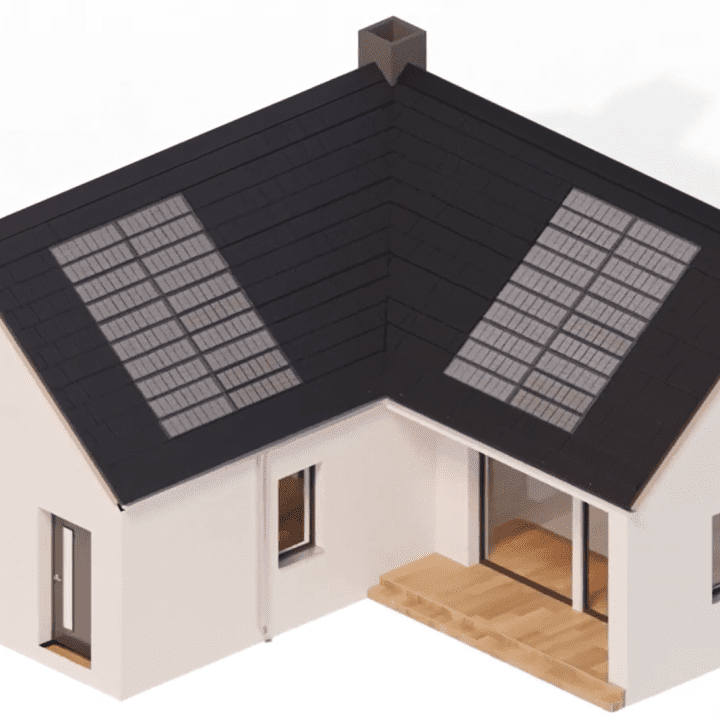


Solar Roof Tiles
The Future of Sustainable Energy Generation
Homeowners and project developers are increasingly opting for sustainable solutions in roof construction and renovation. One of the most innovative options on the market is the use of solar roof tiles—roof tiles with integrated solar cells. But what exactly are solar roof tiles, what are their benefits, and how do they compare to traditional solar panels? In this article, we answer the key questions about this energy-generating roofing solution.
What Are Solar Roof Tiles?
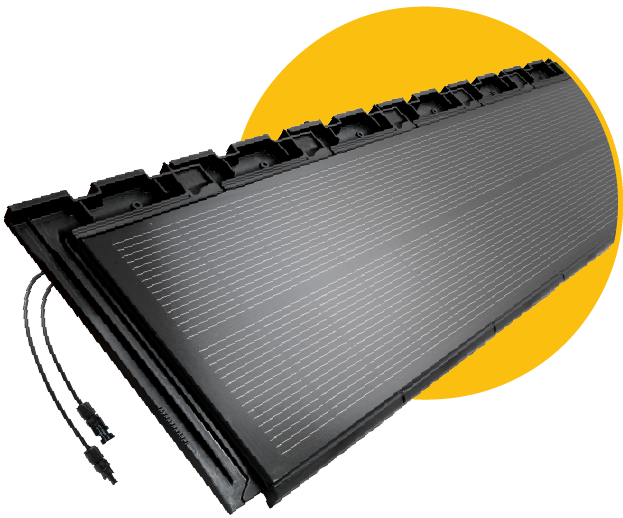
Solar roof tiles, also known as solar shingles, are roof tiles with built-in solar cells that convert sunlight into electricity. They function similarly to traditional solar panels but offer a much more aesthetically pleasing solution as they seamlessly integrate into the roof. This makes them an attractive choice for both new construction and renovation projects where appearance is a key consideration.
Two Options: A Full Solar Roof or Integrated Solar Roof Tiles
There are two ways to implement solar roof tiles:
A full solar roof (the solar roof system): The entire roof is replaced with energy-generating roofing panels. This is particularly appealing for new construction or when the roof already needs replacing.
Integrated solar roof tiles (in-roof system): Existing roof tiles are replaced with solar roof tiles. This aesthetically pleasing solution maintains the roof’s traditional appearance, making it ideal for row houses and historical buildings where traditional solar panels are not an option.
Cost Comparison: Solar Roof Tiles vs. Traditional Solar Panels
While solar roof tiles are visually more attractive, they come with higher costs. The average price per 10 square meters of roof surface is as follows:
- Traditional solar panels: Approximately €XXXX (including installation)
- Built-in solar panels: Approximately €XXXX (including installation)
- Solar roof tiles: Approximately €XXXX (including installation)
The investment in solar roof tiles is significantly higher, and the payback period can range from 10 to 20 years, compared to 6 to 10 years for standard solar panels. However, in new construction or roof renovation projects, the cost of regular roof tiles is eliminated, making solar roof tiles a more attractive option.

Energy Yield and Efficiency of Solar Roof Tiles
A crucial factor in choosing between solar roof tiles and traditional solar panels is energy yield. One square meter of solar roof tiles has an average capacity of X Wp, while traditional solar panels can deliver up to X Wp per square meter. This means that more roof space is required to achieve the same energy output with solar roof tiles.
When to Choose Solar Roof Tiles?
Solar roof tiles are particularly suitable if:
- Aesthetics play a significant role, such as in historic or architecturally distinctive buildings.
- The roof is already due for renovation.
- There is limited space for traditional solar panels.
- Local regulations restrict the use of conventional solar panels.
Conclusion
Solar roof tiles offer an innovative and aesthetically pleasing solution for sustainable energy generation. While the initial costs are higher and the payback period is longer than that of traditional solar panels, they can be an attractive option for new construction or roof renovations. For those seeking maximum energy yield at the lowest cost, traditional solar panels remain the best choice. Wondering if solar roof tiles are right for your situation? Consult a specialist to explore the possibilities for your roof.