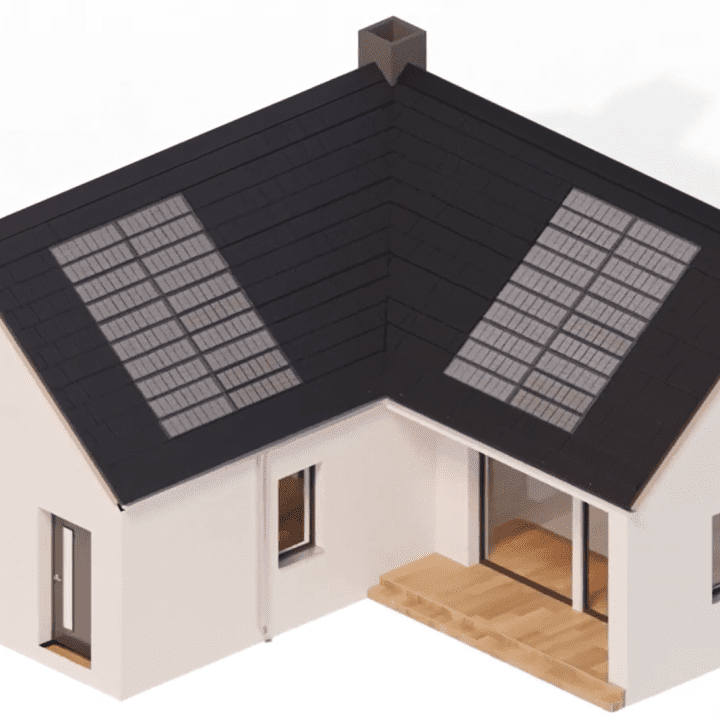


How BIPV is becoming a design part of the building
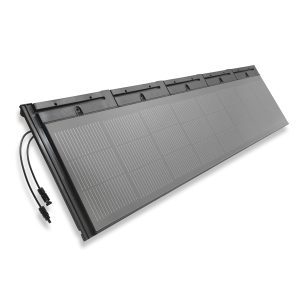
It all started with the big, bulky solar panels being placed on top of the original roof. Besides its striking appearance in shape, it often stood out in high contrast with the original roof underneath. For a little over a decade, BIPV has been developed into a design-focused element of the building. Just like Solinso roof tiles, they are becoming increasingly invisible by blending in with their surrounding building elements. Over the years, the blue shine on solar panels disappeared, and now colors and coatings are in full development to master the technology behind it.
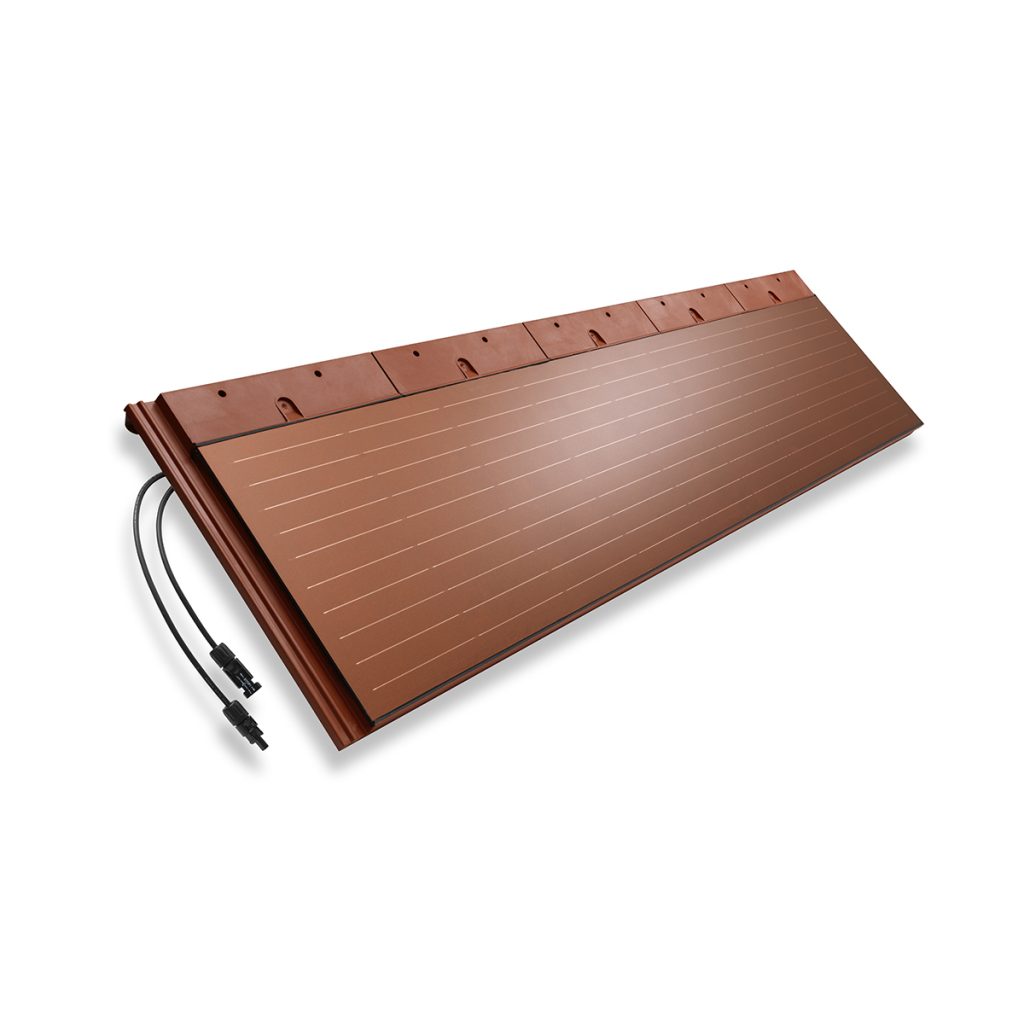
Why Color is so important
In many cases, a house is architecturally designed, and just like a painting, when you drop a high-contrast rectangle on top, it breaks down aesthetics. But sometimes it’s not just about visual appeal. Heritage protection and urban planning requirements are both restricting options for how the building can look.
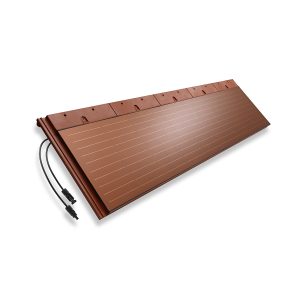
A restriction on an old roof with heritage protection can be the terracotta roof tile color. In this case, your only chance of getting BIPV approved is making those solar panels in terracotta color. Solinso TerraCotta series is a perfect option for this.
Color and Coating Technologies
Colored BIPV is not a single technology. Several approaches exist, each optimized for specific color ranges and applications.
Many people are most familiar with coatings, a thin layer of a colored material, which is optimized to let through the largest amount of light for the photovoltaic effect of the solar cell underneath it.
A cutting-edge technology currently in development is nanostructures, like ‘moth-eye’, which don’t have actual colors but fracture light on such tiny structures that it appears a specific color to the human eye. An example from nature is the blue color in butterfly wings, which does not contain any blue pigments.

Impact on efficiency
Of course, interfering with light will cause efficiency losses. Colors can be created by reflecting light, filtering light, or scattering light. What development is aiming for is full color control with minimum losses in output and lower costs. Once a minimum has been acquired of all of those targets, it becomes viable for the solar market.
Different technologies show very different performance. Coatings currently offer the best balance, with an average loss of about 20–25% in output and near-perfect control over the final appearance. This is what makes it especially interesting for terracotta roof tiles in combination with our Solinso TerraCotta solar roof tiles. Nanostructured surfaces, still largely in the research stage, promise to reduce this efficiency penalty in the future by manipulating light at the microscopic level.
Laws and regulations
The visual integration of solar technology is not just a matter of taste — in many regions, it is also a legal requirement. Heritage protection laws often restrict what materials and colors can be used on historic buildings, making traditional black PV panels unsuitable. Local planning authorities and zoning boards may also require that rooftops preserve a uniform appearance within a neighborhood.
On a larger scale, European legislation, such as the Green Deal and nearly-zero energy building (nZEB) directives, is driving demand for solutions that combine energy generation with architectural harmony. Colored BIPV products offer a pathway to meet both energy efficiency targets and aesthetic regulations, enabling solar to be a part of the design rather than an addition that conflicts with it.
From Technology to Design Choice
Color in BIPV is no longer just a technical curiosity, but it is becoming a practical design choice. By offering architects, developers, and builders the ability to match solar materials to traditional or modern aesthetics, barriers to adoption can be removed. This makes renewable energy more acceptable in sensitive locations, while also unlocking new opportunities for design-driven sustainability.
The climate challenge requires every available roof and façade to contribute to energy generation. Colored and coated BIPV ensures that this can happen without compromising beauty or cultural heritage. For the building industry, this is a call to move beyond the black panel stereotype and embrace solar as a fully integrated building material.